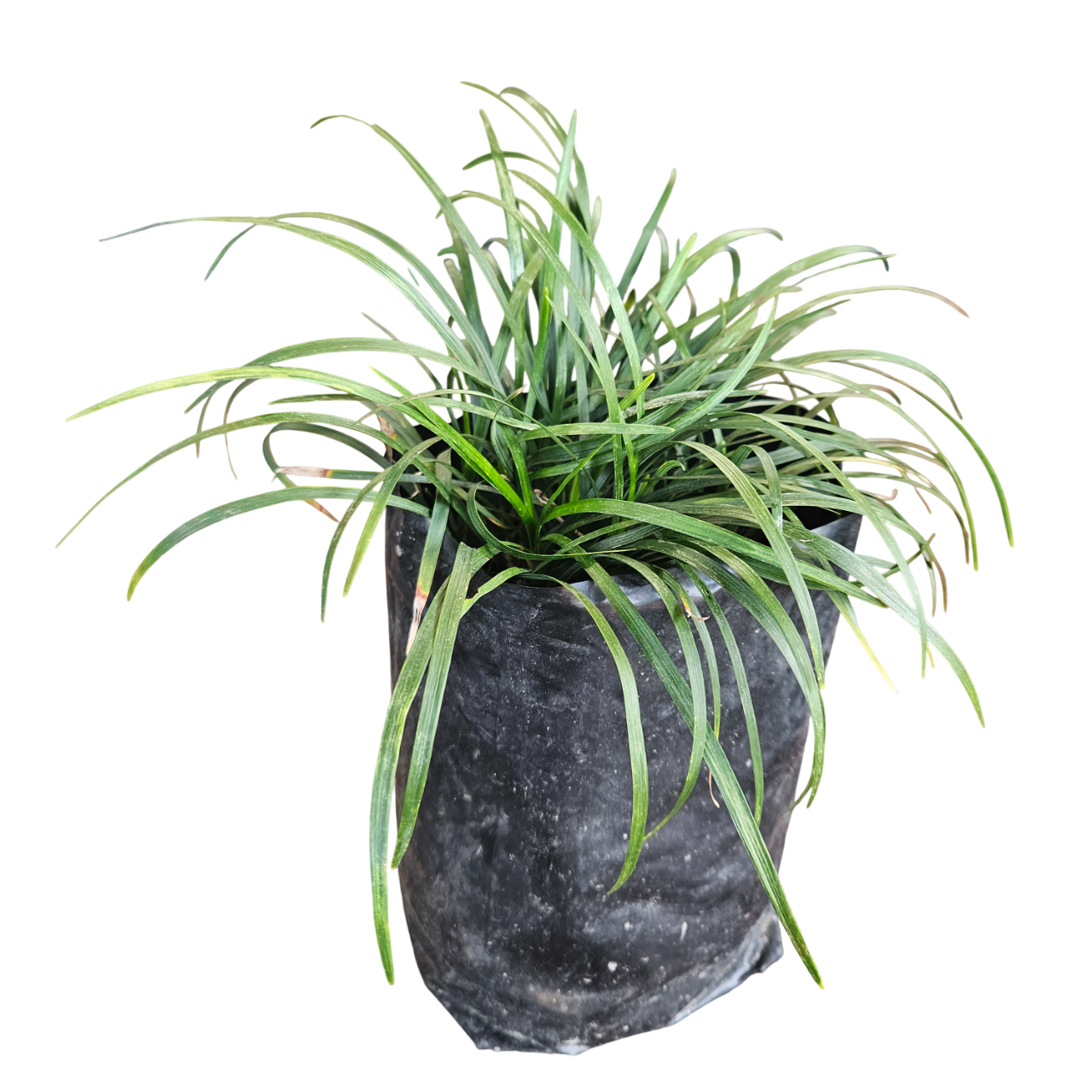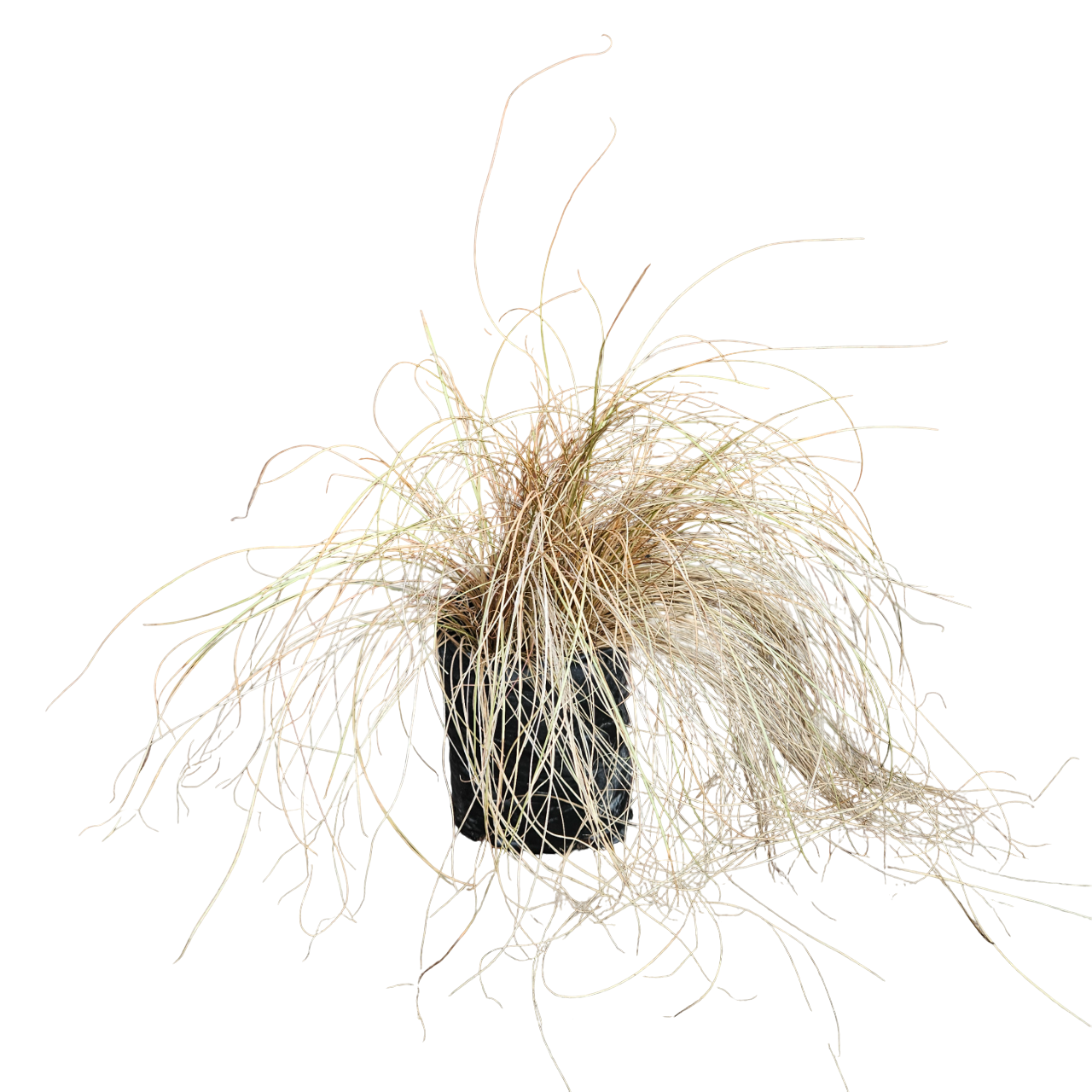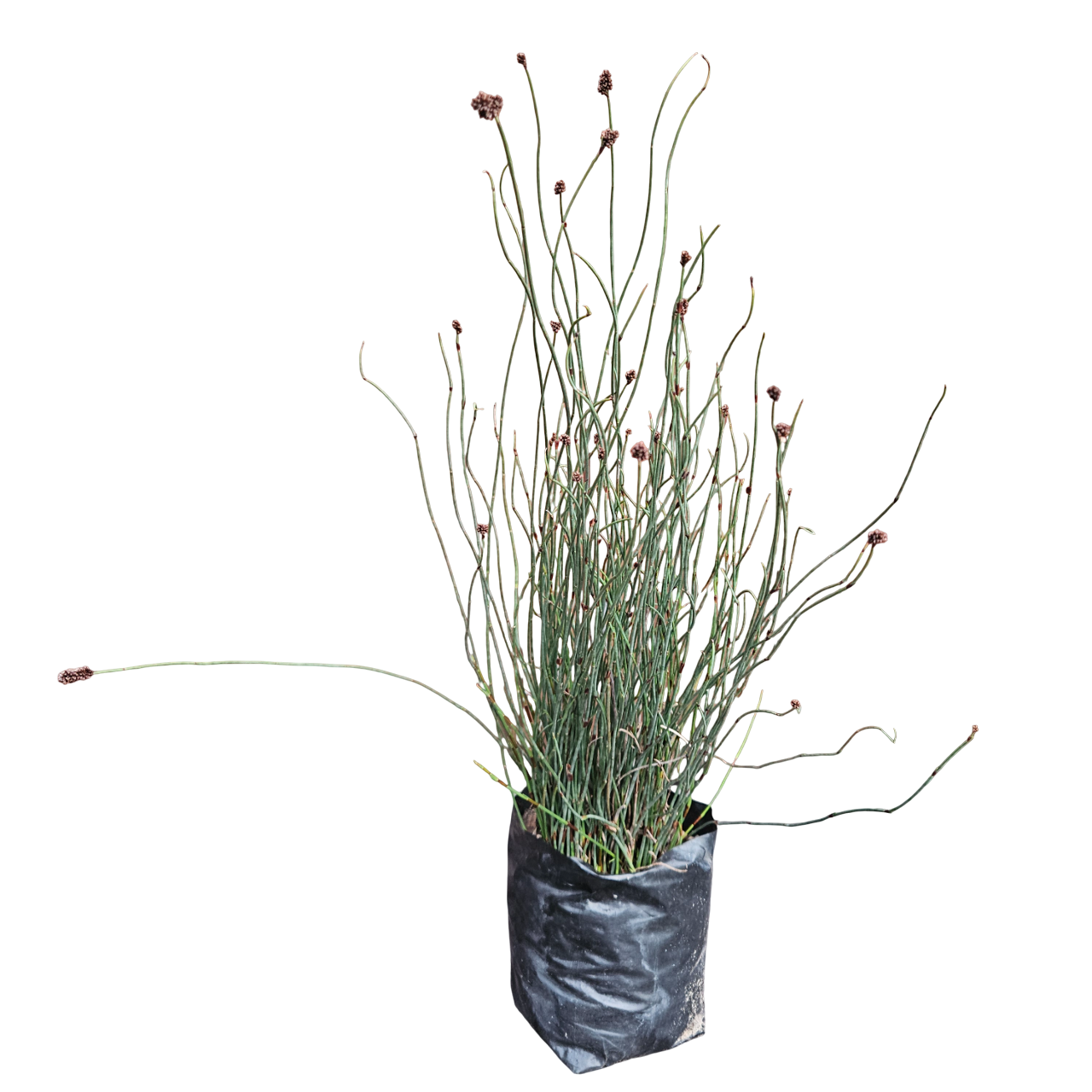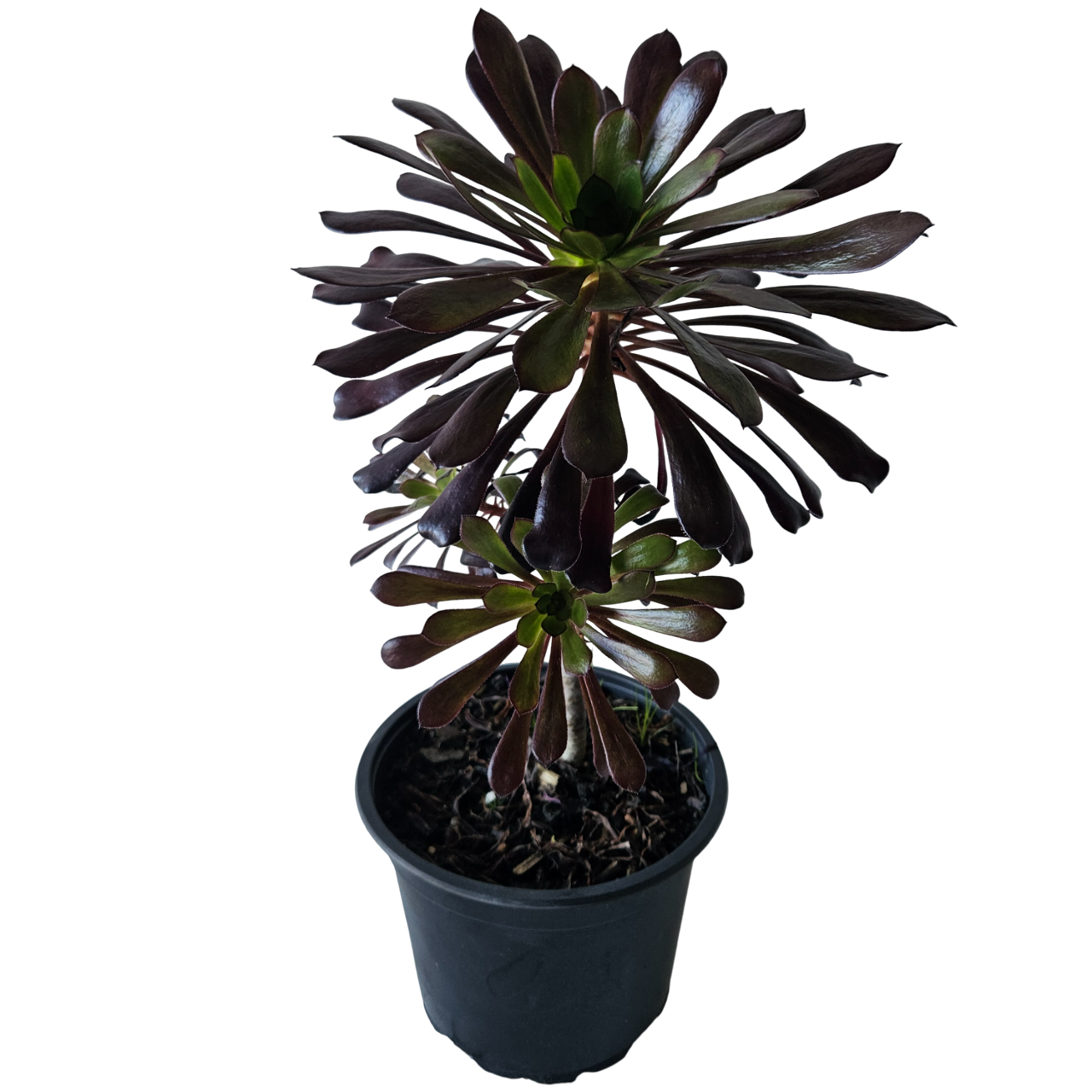
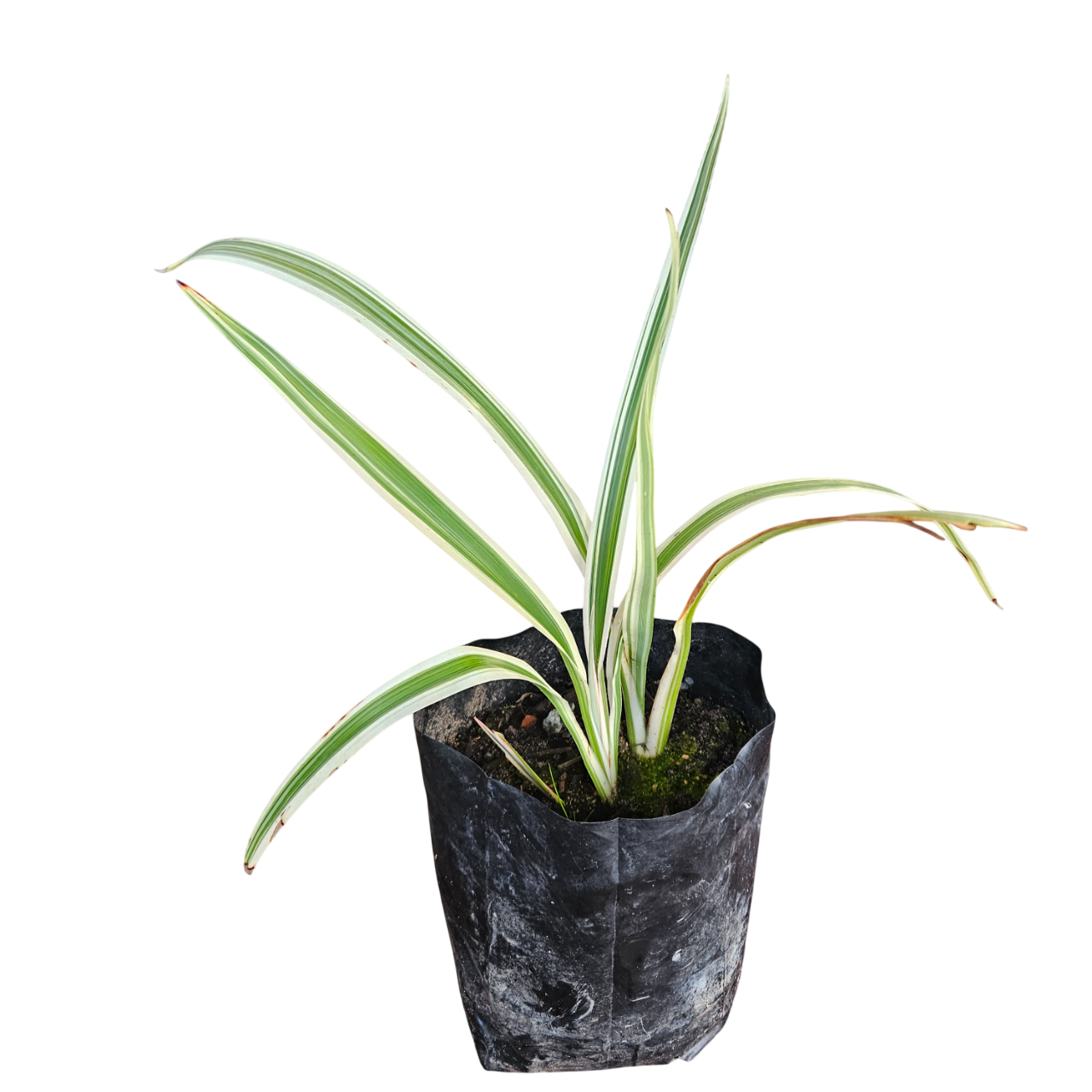

Step into a shaded border, and let this plant’s cream-striped blades catch your eye. Variegated Tasmanian Flax Lily forms a dense, upright clump of broad, arching, strap-like leaves—each a rich, dark green dramatically edged with bright creamy-white to pale yellow stripes. From spring through summer, delicate, branched sprays of small, star-shaped flowers in soft blue to lavender appear, each with prominent bright yellow stamens. Then come the surprises: glossy, metallic-blue berries that add a further layer of ornamental interest and attract birds.
Native to Tasmania and southeastern Australia, this adaptable plant has proven wonderfully suited to South African gardens. In the Western Cape, it thrives in part shade to light shade—perfect for tricky, low-light areas under trees or on the south side of buildings. It tolerates some morning sun but needs protection from harsh afternoon rays, which can scorch the delicate variegation. It prefers well-drained, fertile soil and, once established, is remarkably drought-tolerant. It handles coastal conditions well and is semi-frost hardy, tolerating light to moderate frost. Reaching 50–100 cm tall and 60–120 cm wide, it’s ideal for mass plantings, shaded borders, underplanting trees, or as a striking architectural accent in containers.
Key Features:
- Broad, arching, dark green leaves with bold, creamy-white stripes for a luminous, architectural presence
- Star-shaped blue to lavender flowers with bright yellow stamens, followed by glossy, metallic-blue berries
- Thrives in shade—perfect for low-light areas under trees or on south-facing walls
- Drought-tolerant, coastal-tolerant, and semi-frost hardy once established
Gardening Note: Plant in part shade to light shade in well-drained, fertile soil. Protect from harsh afternoon sun, which scorches variegated leaves. Water regularly until established; mature plants are drought-tolerant but look best with occasional watering during dry spells. Remove dead, damaged, or all-green reverted leaves in late winter or early spring to maintain variegation. Divide congested clumps every few years in spring. Note: May occasionally produce all-green shoots—remove promptly to prevent reversion.