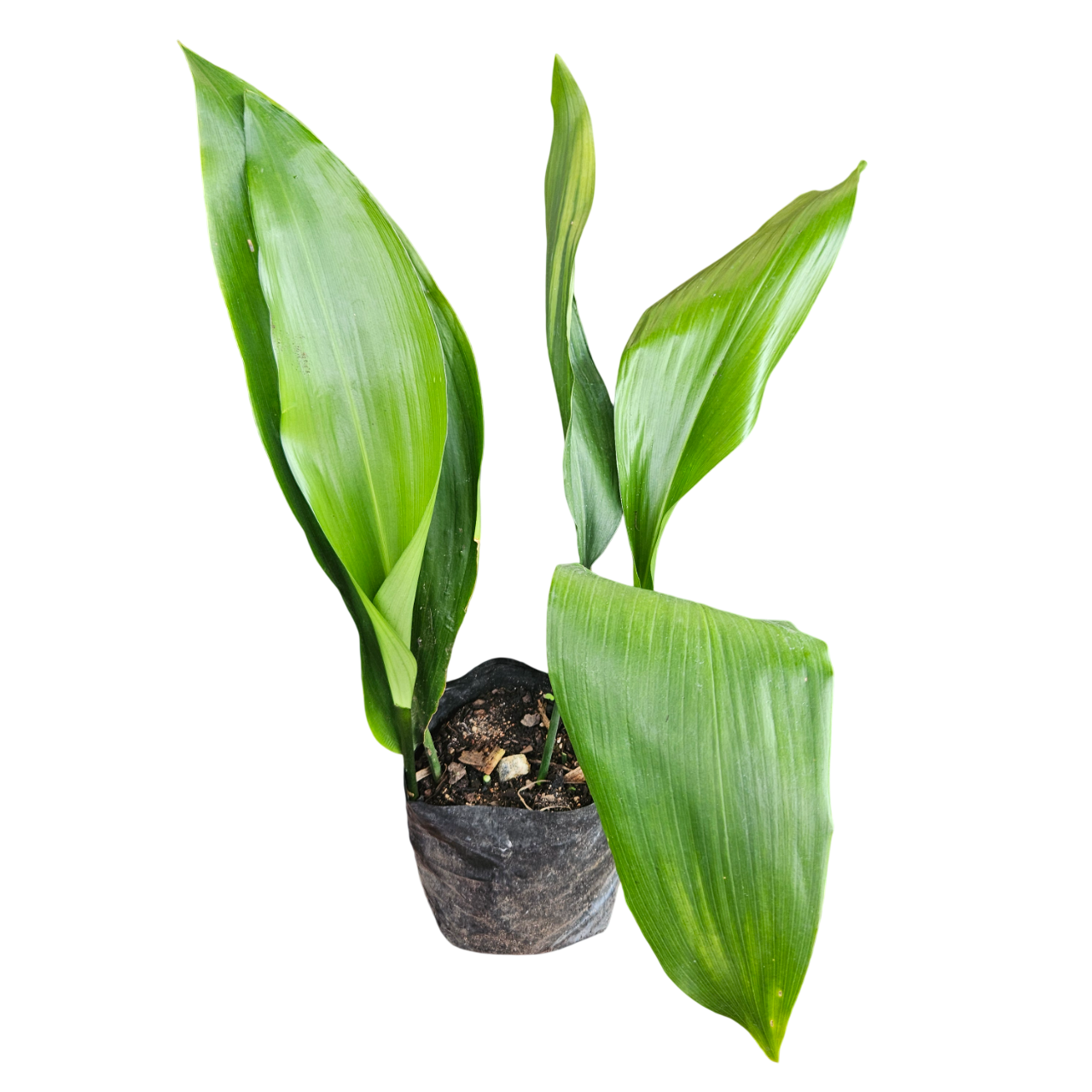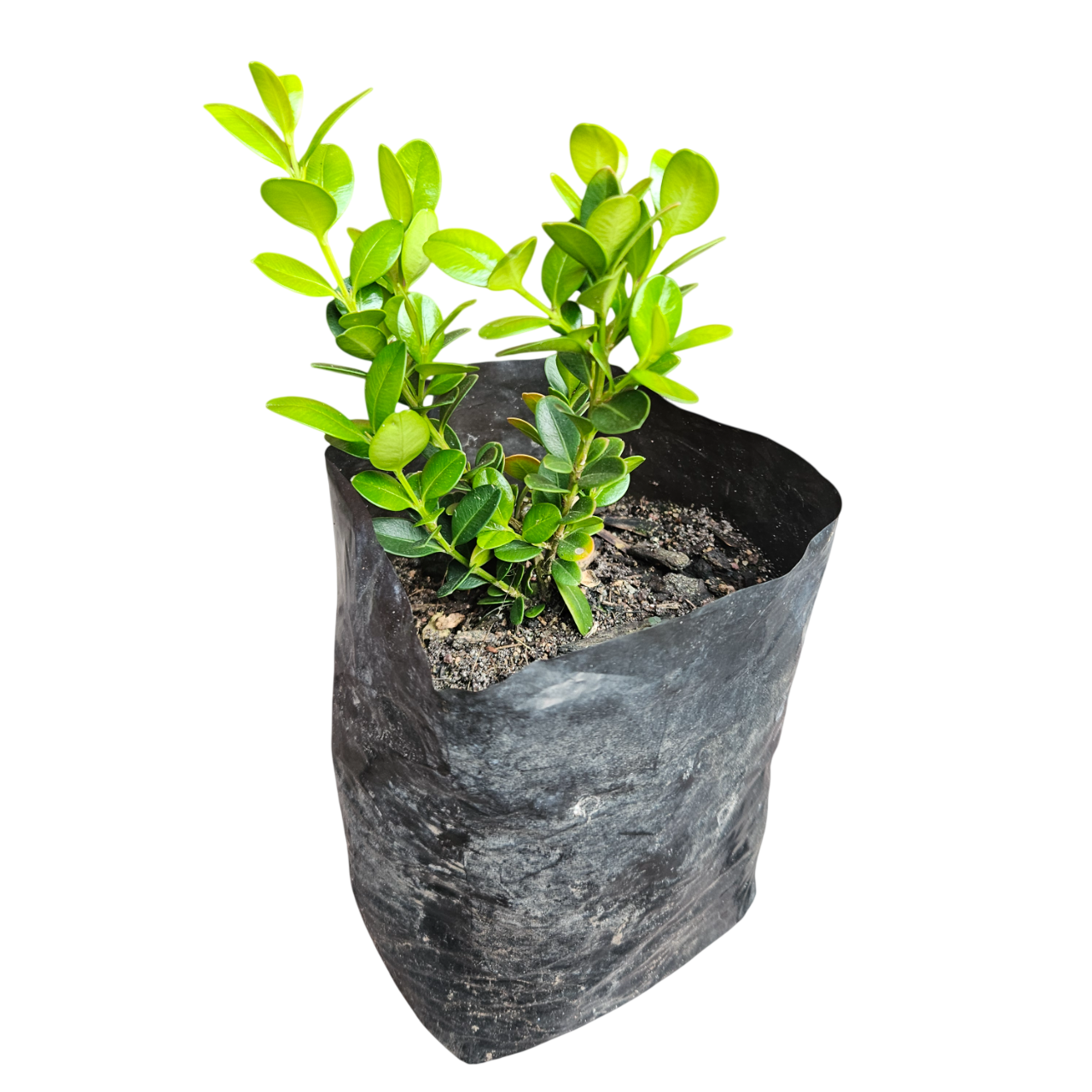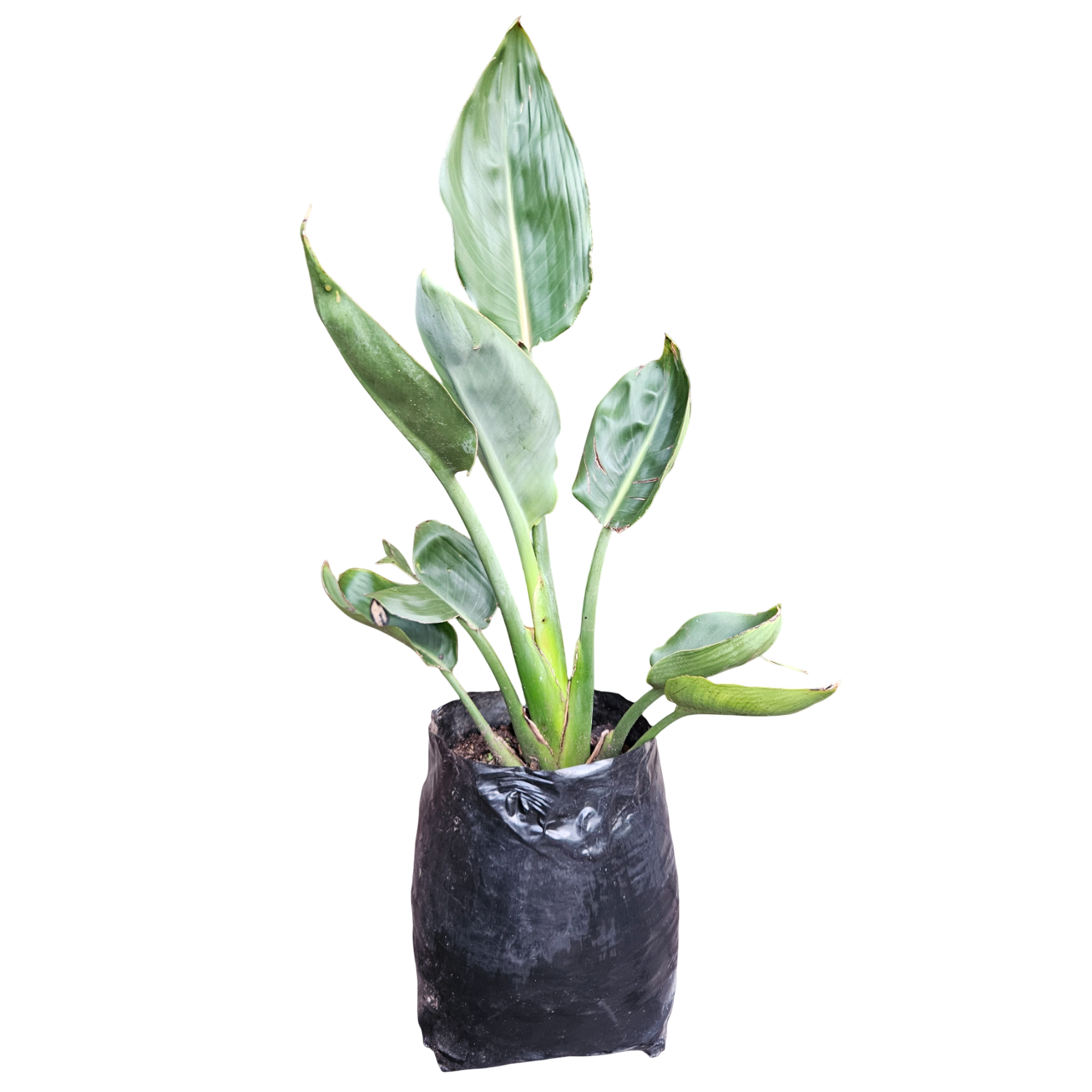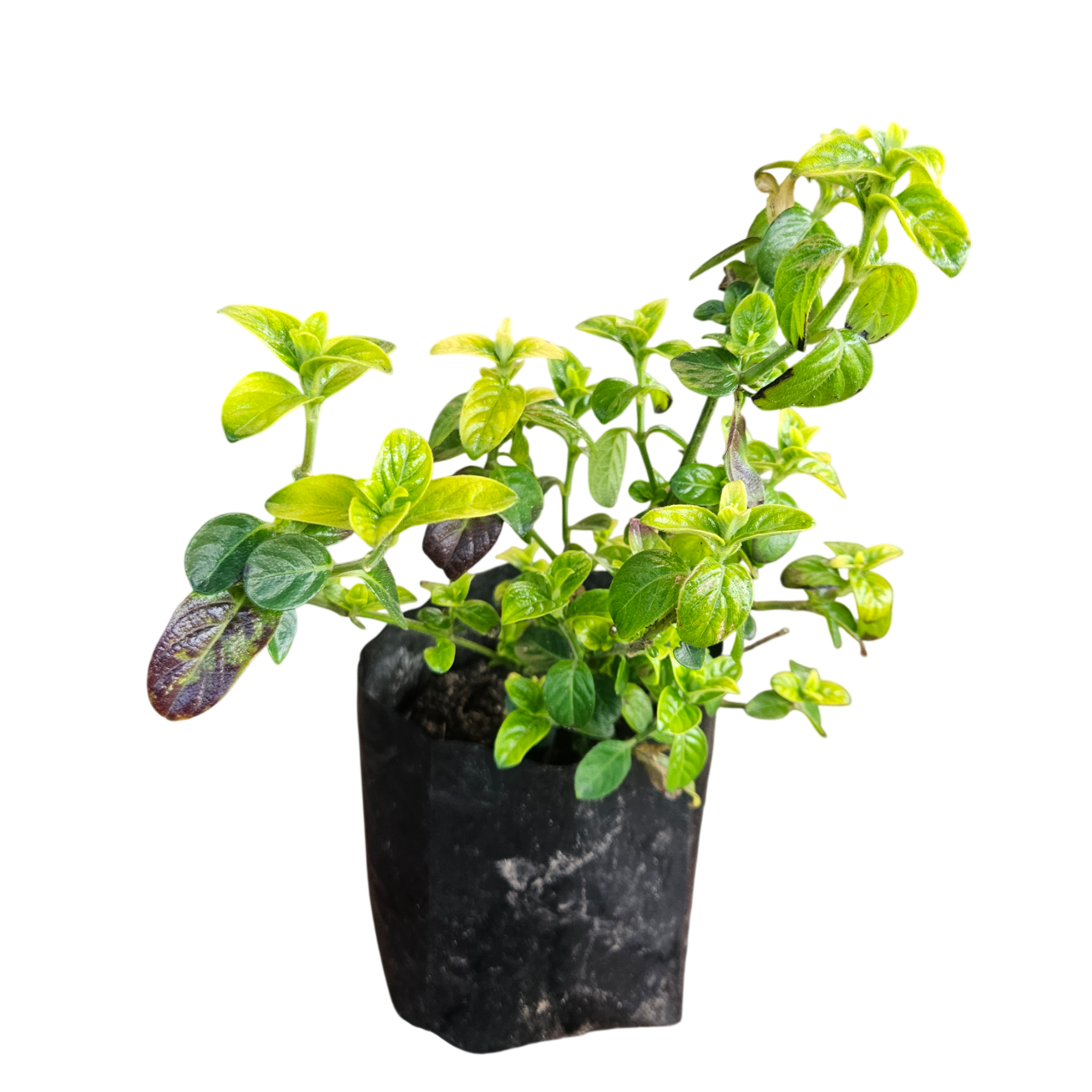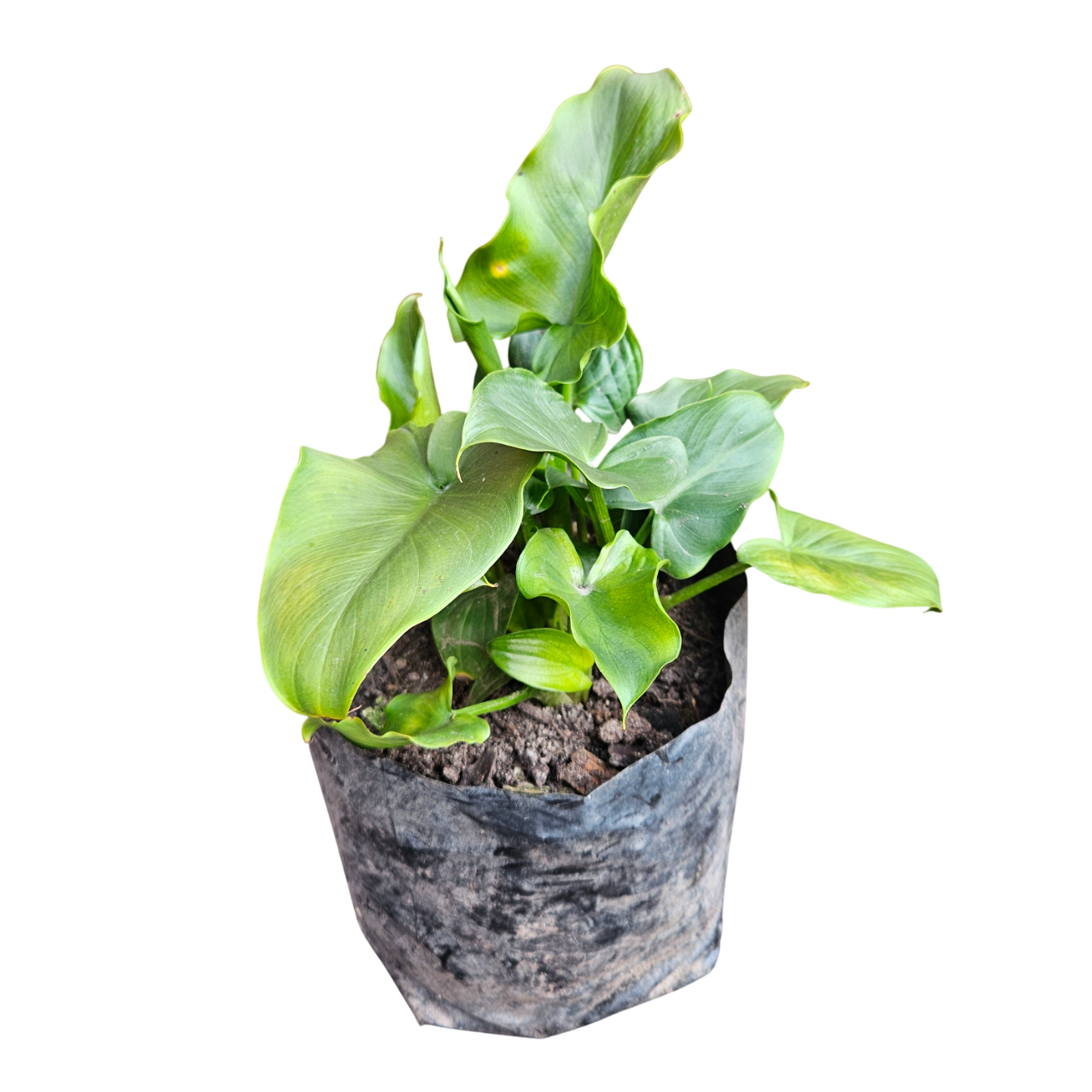
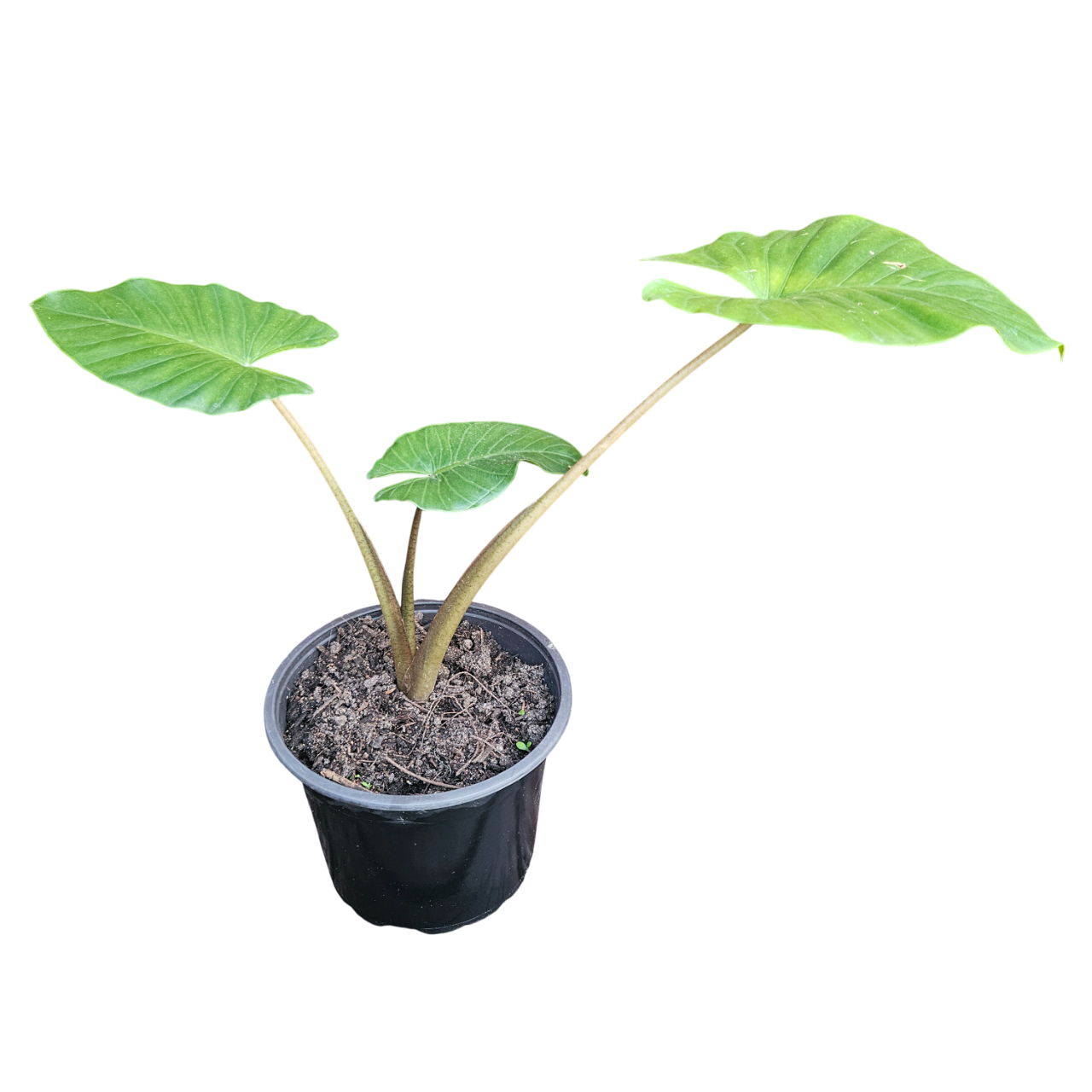


If you want to make a bold statement in the garden, it’s hard to beat leaves the size of dinner plates. Elephant’s Ear—also known as Taro or Amadumbe—is a robust, tuberous evergreen perennial grown for its spectacular, oversized foliage. Enormous heart- or arrow-shaped leaves, typically 20–50cm long, are held aloft on thick, succulent stems that rise directly from underground tubers. Depending on the cultivar, the leaves come in lush green, deep purple-black, or variegated combinations, creating a bold, tropical, almost prehistoric effect. In summer, inconspicuous arum-like flowers may appear, but let’s be honest—you’re growing this for those magnificent leaves.
Native to tropical Asia, Elephant’s Ear has adapted surprisingly well to the Western Cape’s temperate climate with a few key considerations. It thrives in full sun to partial shade—morning sun with afternoon shade protects the large leaves from scorching in hotter inland gardens. It demands rich, moisture-retentive soil and is ideally suited to damp areas like pond margins, stream banks, or bog gardens. It will not tolerate drying out and needs consistent, deep watering. It’s sensitive to frost, so give it a very sheltered spot in colder valleys or grow it in a movable container. Reaching 1–1.5m tall and wide, it’s perfect beside water features, in large containers, or in sheltered subtropical borders.
Key Features:
- Enormous, glossy, heart-shaped leaves for bold tropical drama
- Thrives in consistently damp or wet areas like pond margins
- Fast-growing with immediate architectural impact
- A magnificent “thriller” for large pots and containers
Gardening Note: Plant in deep, fertile, humus-rich soil that retains moisture, in full sun to partial shade, protected from strong winds. Water abundantly and regularly—do not let soil dry out. Apply mulch to retain moisture and feed monthly during the growing season. In colder inland areas, lift and store corms indoors over winter, or move container plants to a sheltered, frost-free spot.