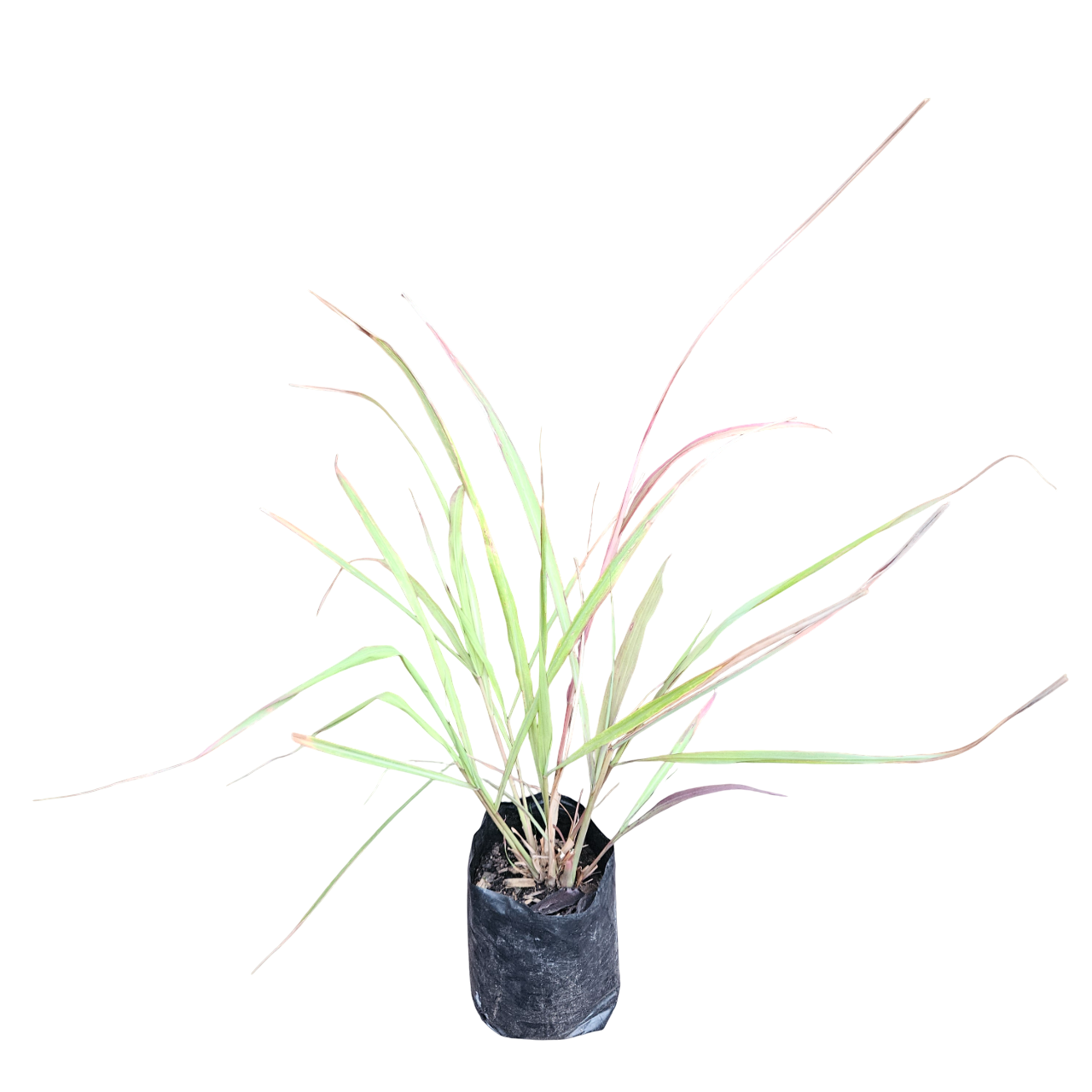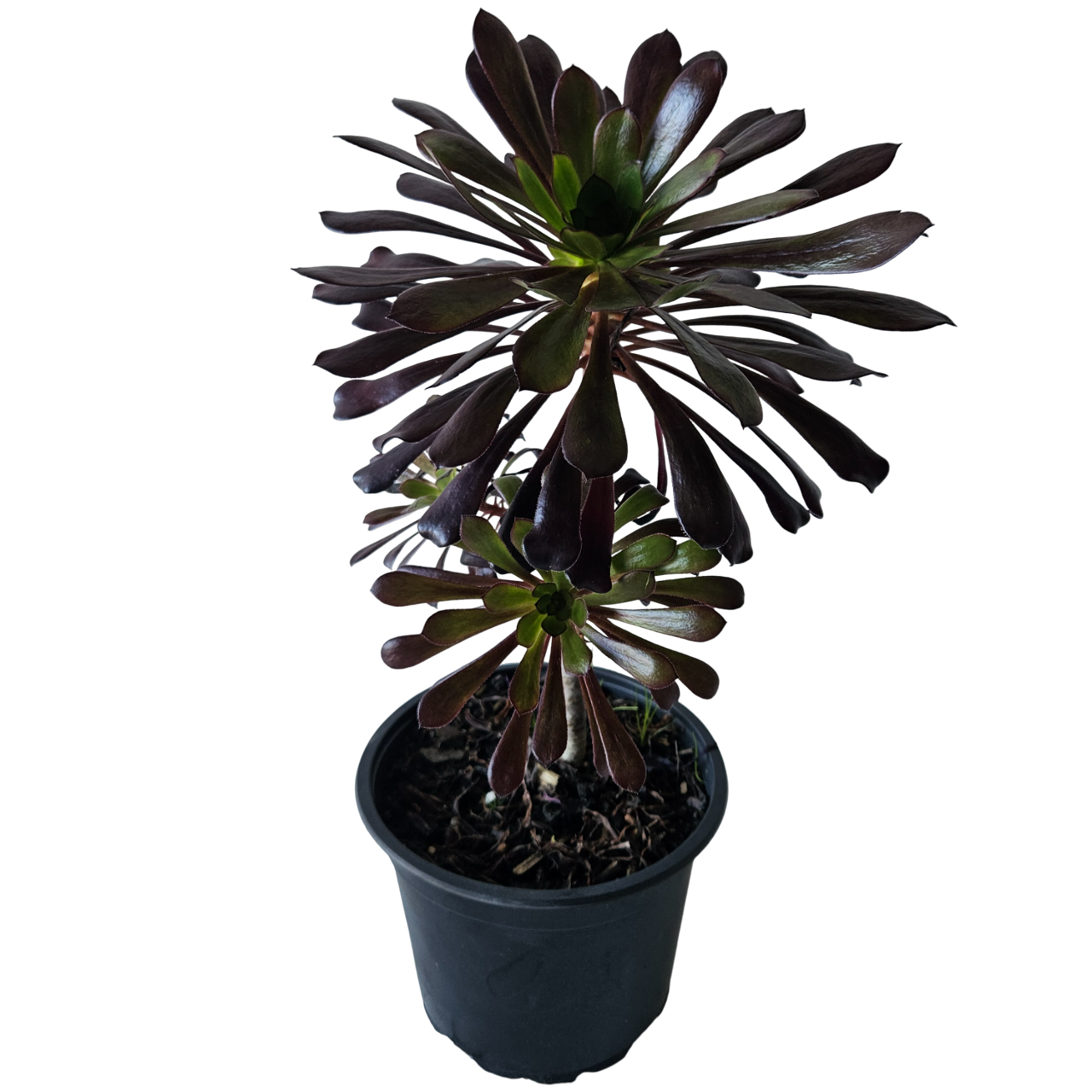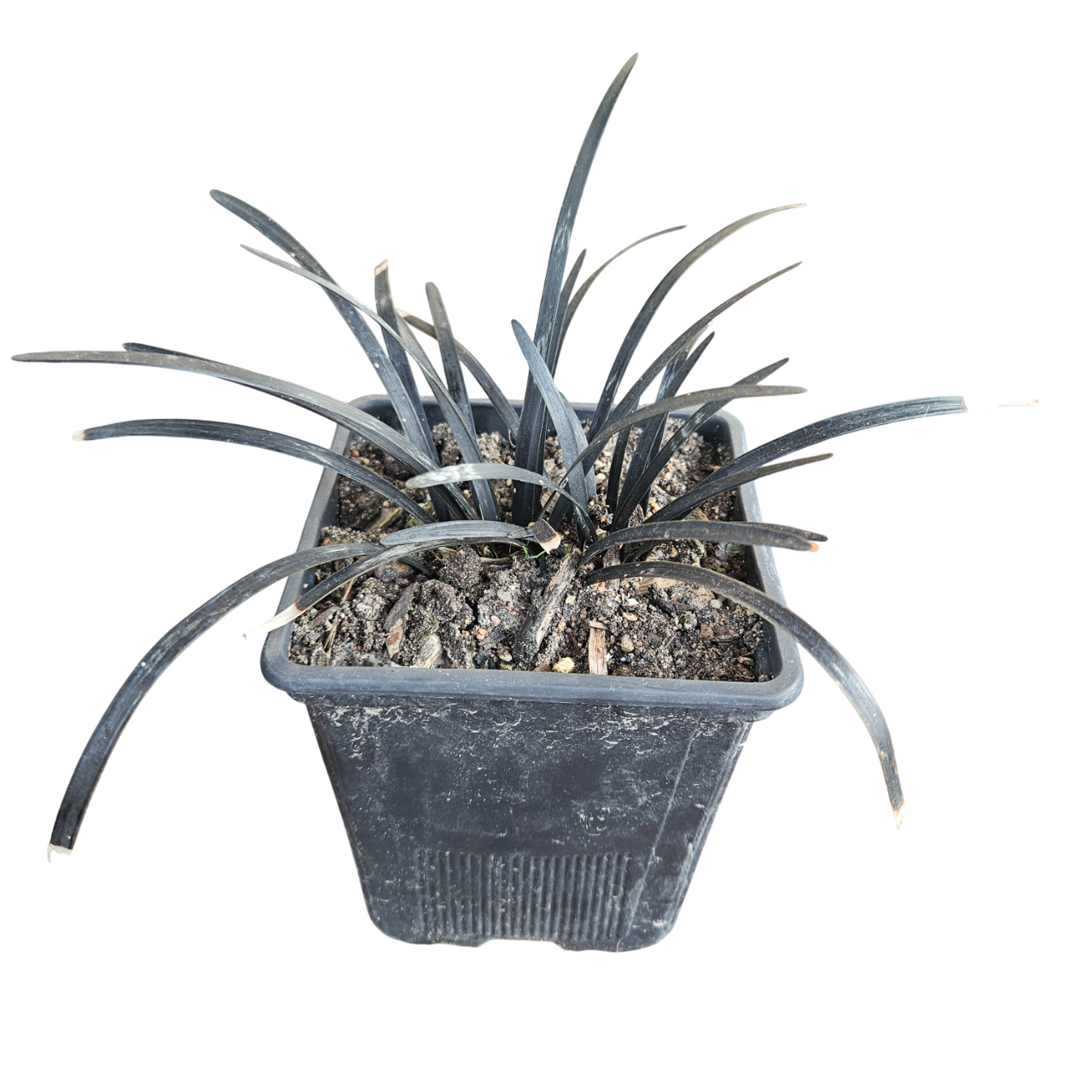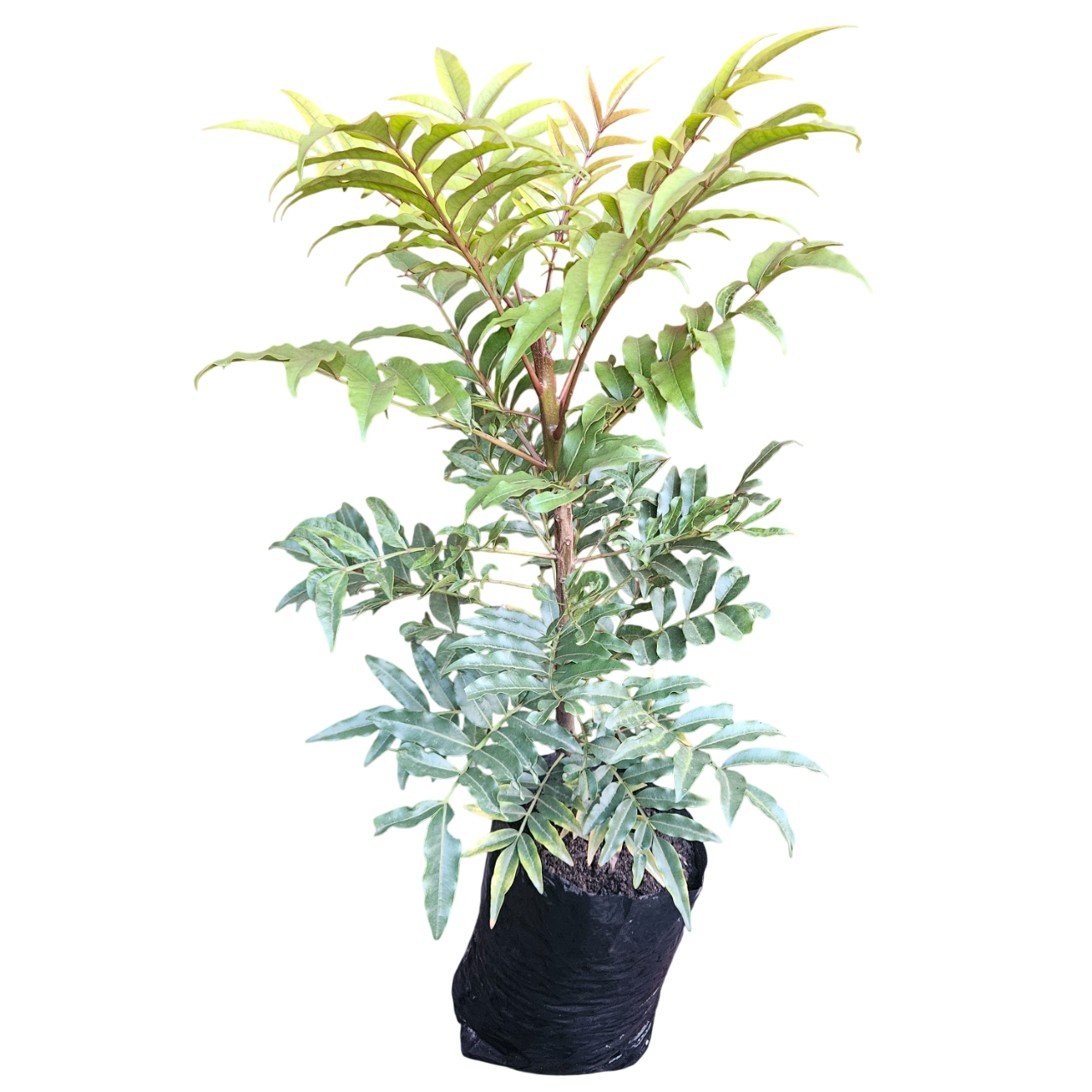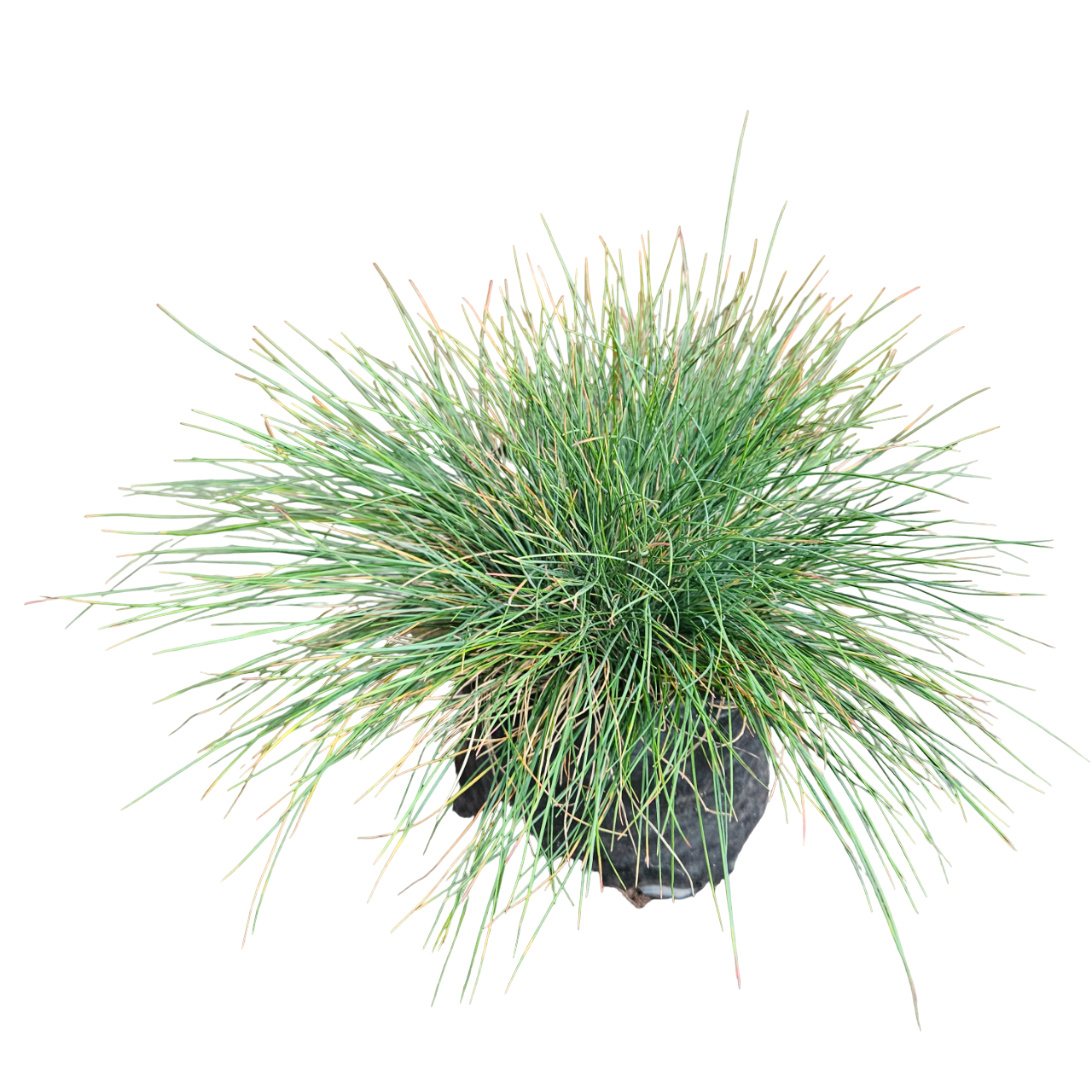
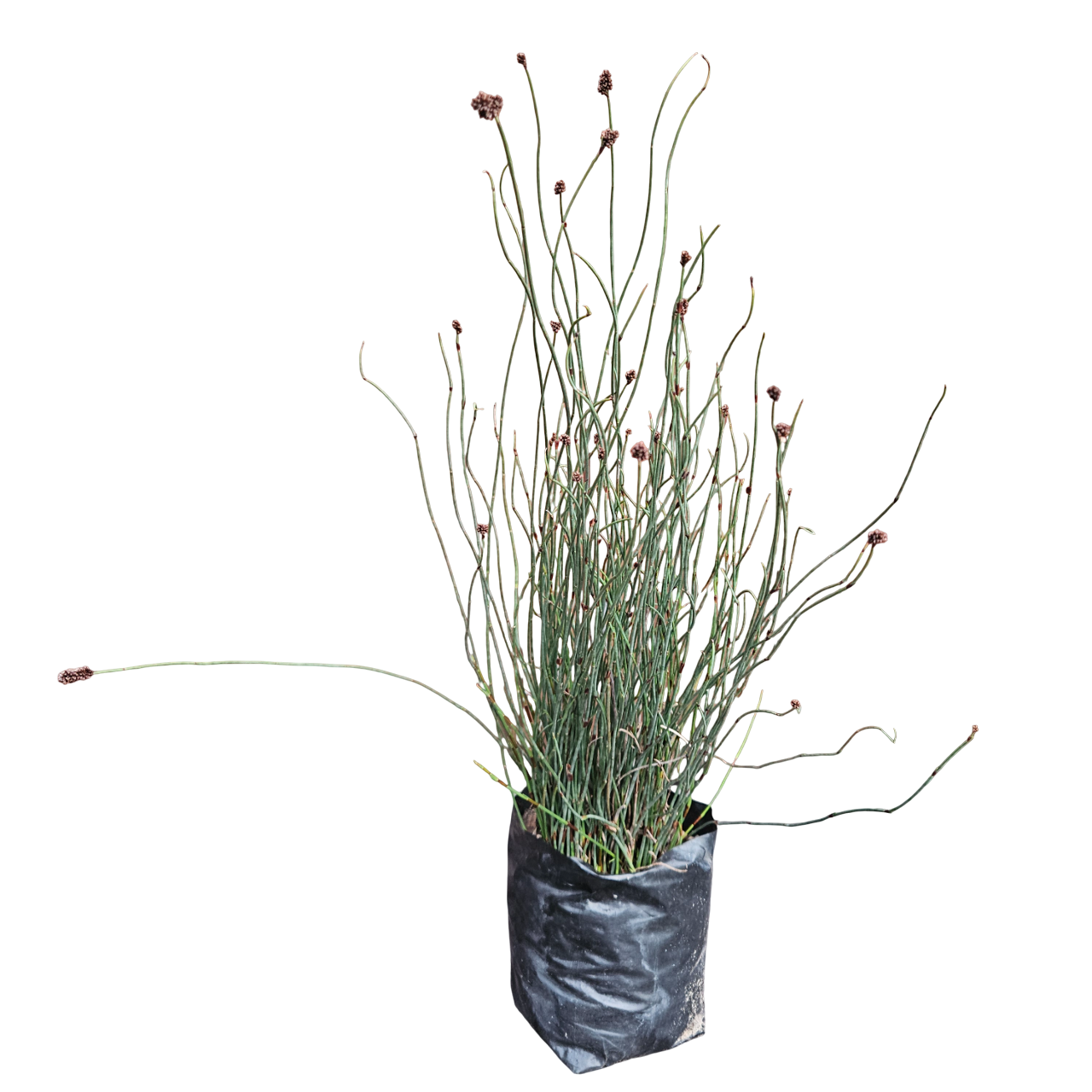
If you want to capture the essence of Cape fynbos in your garden, Dekriet is a wonderful place to start. Also known as Cape Thatching Reed, this tufted, evergreen perennial belongs to the Restionaceae family—the very group of plants that characterise our unique Cape flora. It forms a graceful, upright, symmetrical clump of smooth, dark green, reed-like stems that arch gently outward, creating a rounded dome of fine texture with an open, airy feel. Distinctive dark brown, deciduous leaf sheaths add subtle contrast along the stems. In autumn (March to June), slender, compact spikes of small, dark brown flowers appear at the stem tips, offering delicate seasonal interest.
Endemic to the Western and Eastern Cape (from Clanwilliam to Port Elizabeth), Dekriet is proudly suited to local gardens. It thrives in full sun and prefers well-drained, sandy or loamy soils enriched with compost. In nature, it grows in marshes and seeps on deep sand, so it appreciates regular water, especially in summer, making it excellent near water features or in low-lying areas that collect moisture. Once established, it’s moderately drought-tolerant and remarkably cold-hardy, handling light to medium frost. Reaching about 1.5m tall and wide, it’s perfect for fynbos gardens, modern landscapes, grass gardens, or large containers.
Key Features:
- Dense, upright clumps of smooth, dark green, reed-like stems for year-round structure
- A proud Cape fynbos native that’s water-wise once established
- Traditional thatching material; also excellent for cut flower arrangements
- Ideal for structural accents, fynbos gardens, or mass plantings
Gardening Note: Plant in well-drained soil in full sun. Water regularly until established; mature plants are drought-tolerant but respond to occasional watering with more robust growth. Avoid fertilisers and never disturb the roots. Tidy by removing old outer reed stems as needed, but never cut across the whole plant. Choose the right variety for your space, as they can’t be pruned back to reduce height once mature.