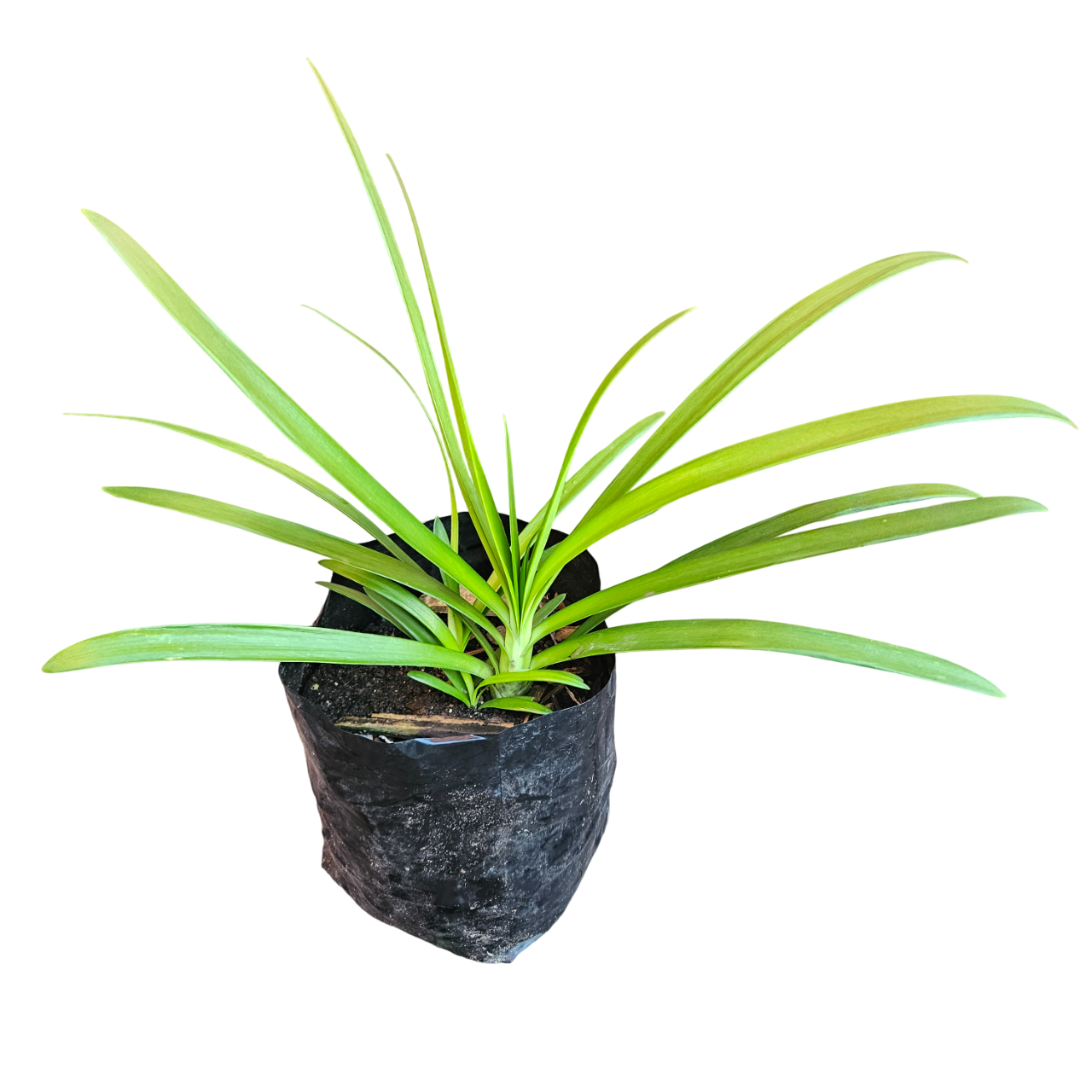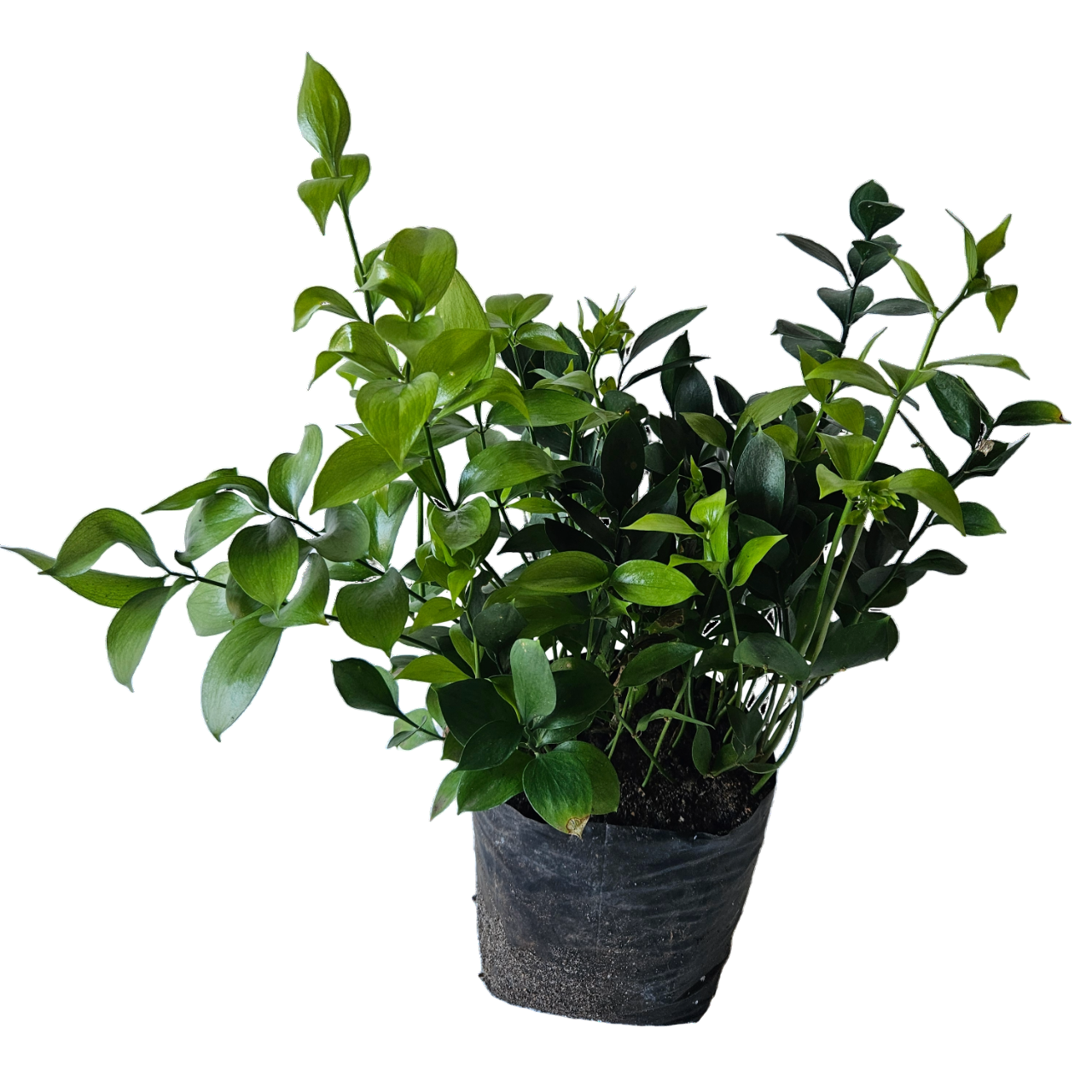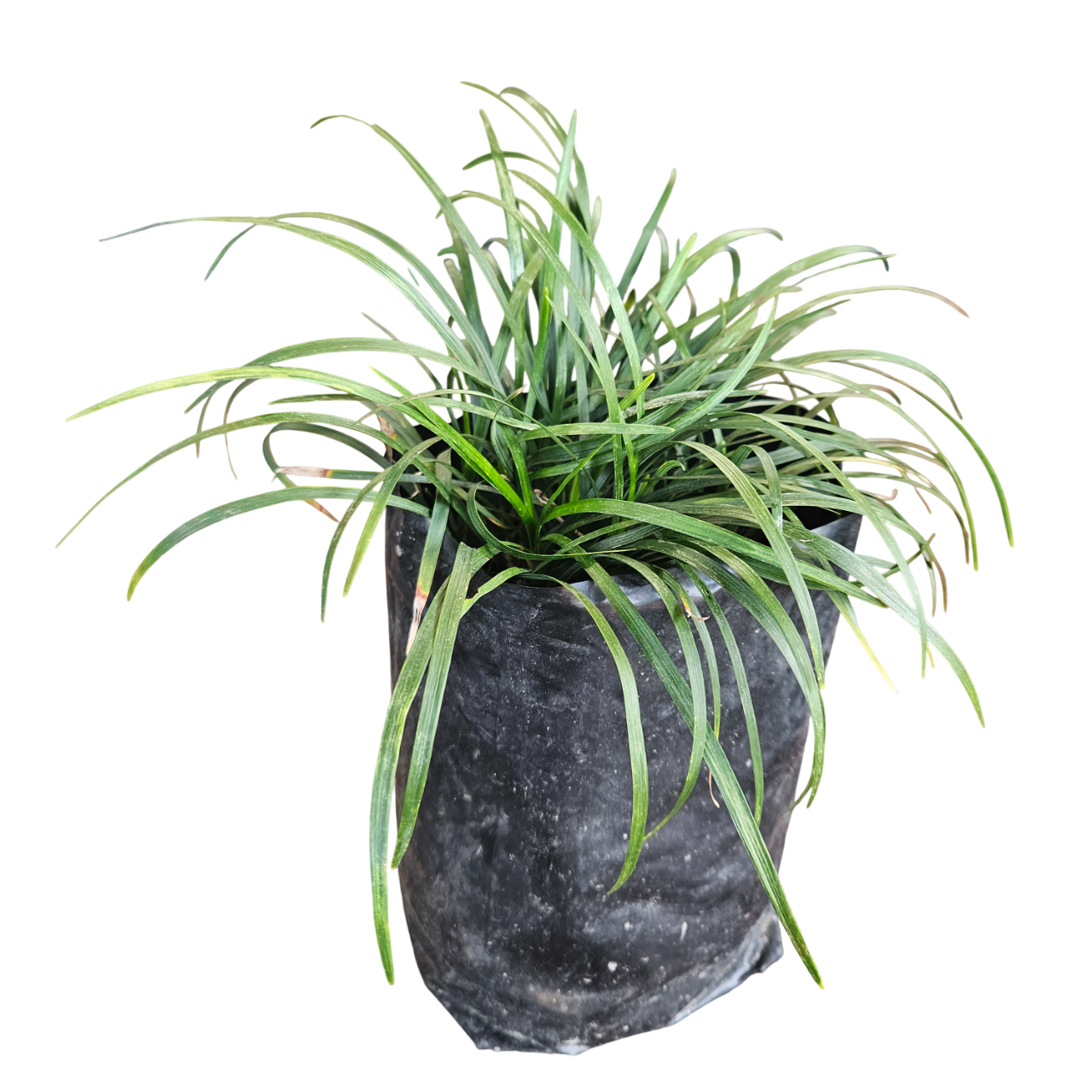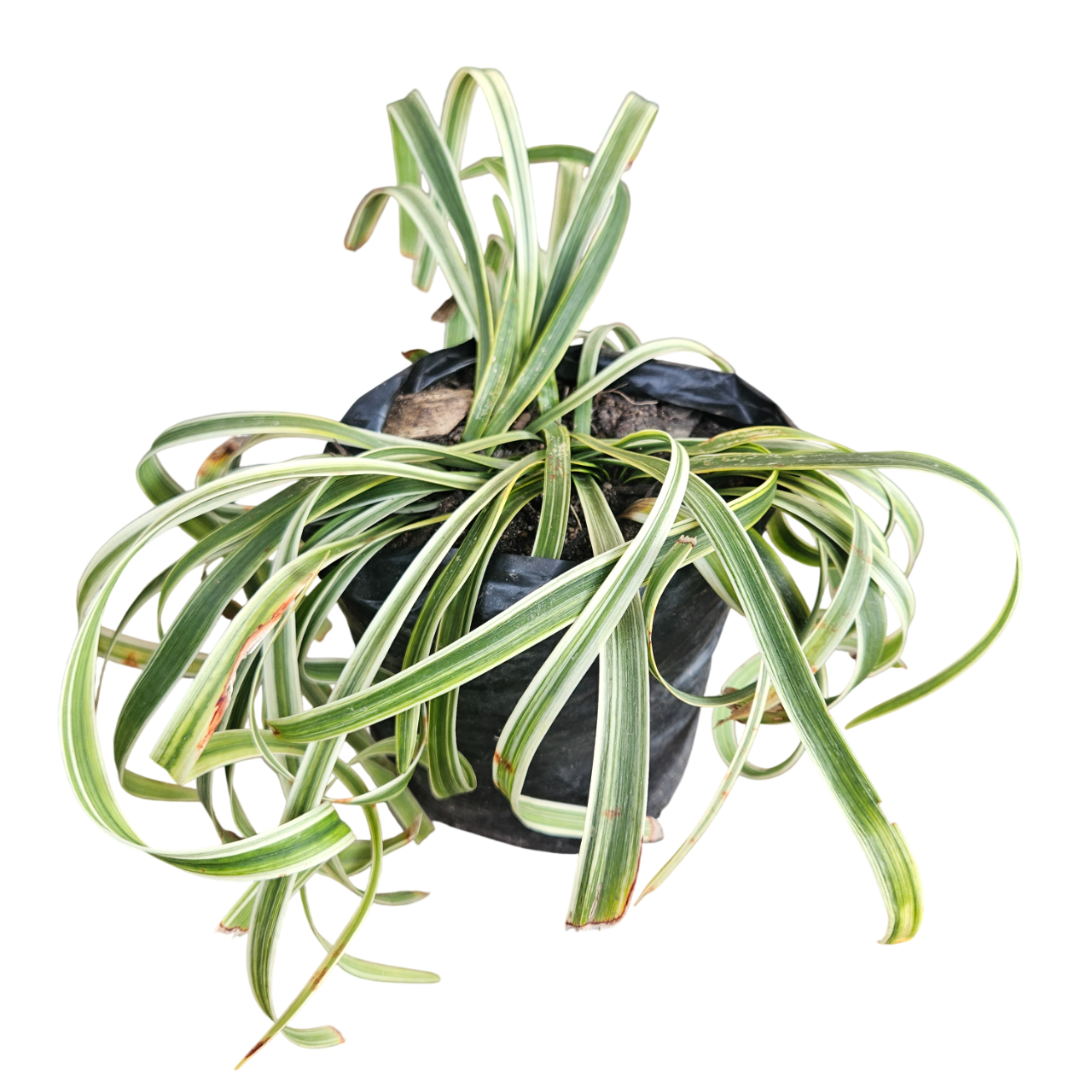
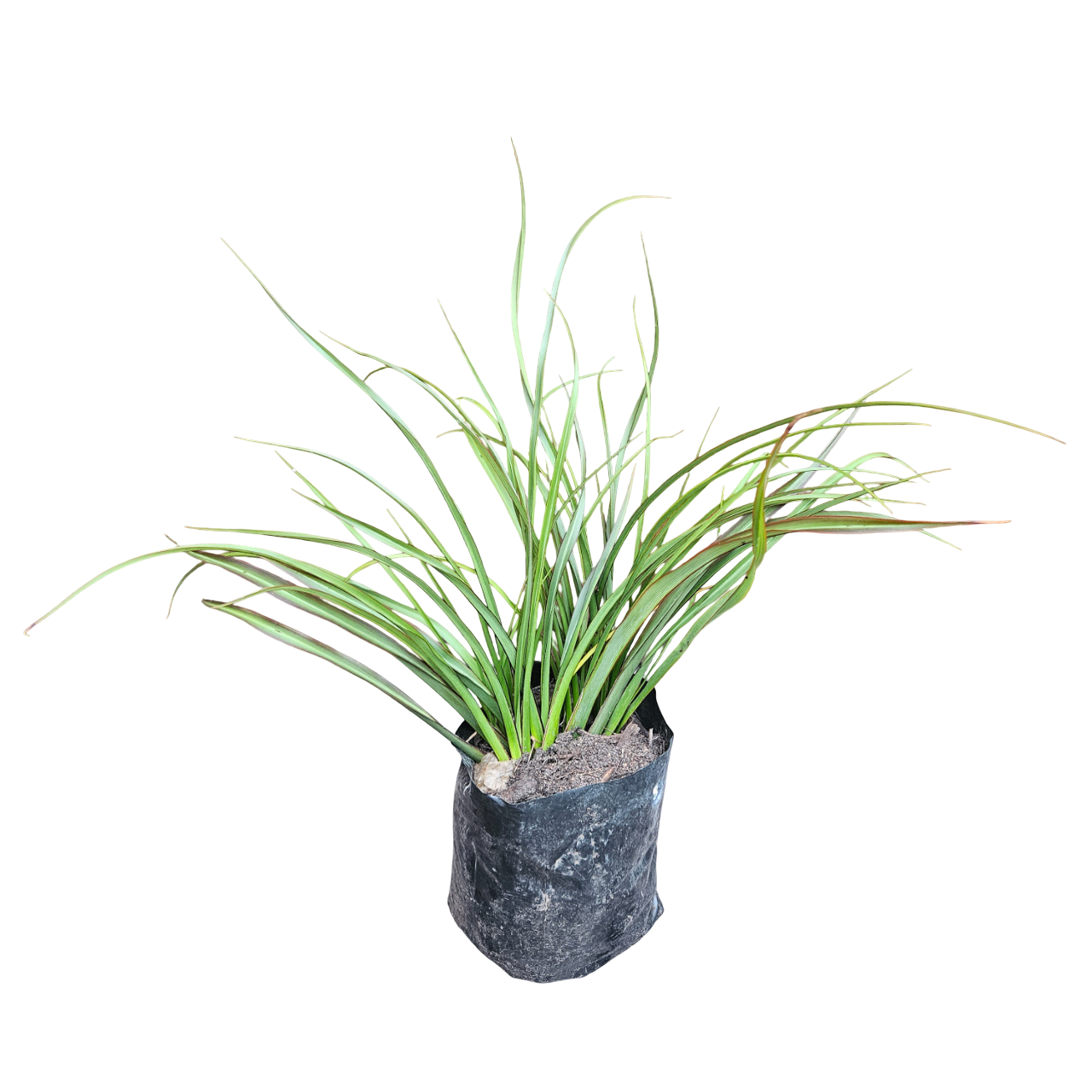
For a plant that brings modern sculptural form to the garden, Mini Flax ‘Surfer Green’ is a standout choice. Also known as Dwarf New Zealand Flax, this compact evergreen perennial features a dense, upright fountain of narrow, arching leaves in rich, deep olive green, each dramatically edged with a striking dark reddish-brown to bronze margin. Those lush leaves twist gracefully along their length in a wave-like fashion, adding movement and a sculptural, contemporary texture. In spring and summer, mature plants may send up tall, slender flower spikes bearing small reddish flowers.
Native to New Zealand, this hardy plant has proven wonderfully suited to the Western Cape’s temperate climate. It thrives in full sun to partial shade—at least 4–6 hours of direct light to maintain dense, compact form and vibrant leaf colour. It’s remarkably unfussy about soil, adapting to most well-drained types, including sandy, loamy, and poor soils, as long as they don’t become waterlogged. Once established, it’s drought-tolerant, though it looks best with occasional summer water. It excels in coastal gardens, handling strong winds and salt spray with ease, and is notably cold-hardy to around -7°C. Reaching 50–90cm tall and 60–80cm wide, it’s perfect for mass plantings, rockeries, borders, or as a striking vertical accent in containers.
Key Features:
- Rich olive-green leaves with dramatic reddish-brown margins, twisting gracefully for sculptural texture
- Compact, tidy clumping habit—ideal for small gardens, borders, and containers
- Exceptionally tolerant of coastal winds and salt spray
- Drought-tolerant, cold-hardy, and generally pest-free once established
Gardening Note: Plant in a sunny to partially shaded position in well-drained soil. Water regularly until established; mature plants are drought-tolerant but appreciate occasional deep watering during dry spells. Remove dead or damaged leaves at the base in early spring to keep tidy. Apply a balanced, slow-release fertiliser in spring to maintain vigour. Hardy to moderate frost, but in very severe conditions, a sheltered spot is recommended in colder inland valleys. Generally pest-free and deer-resistant.