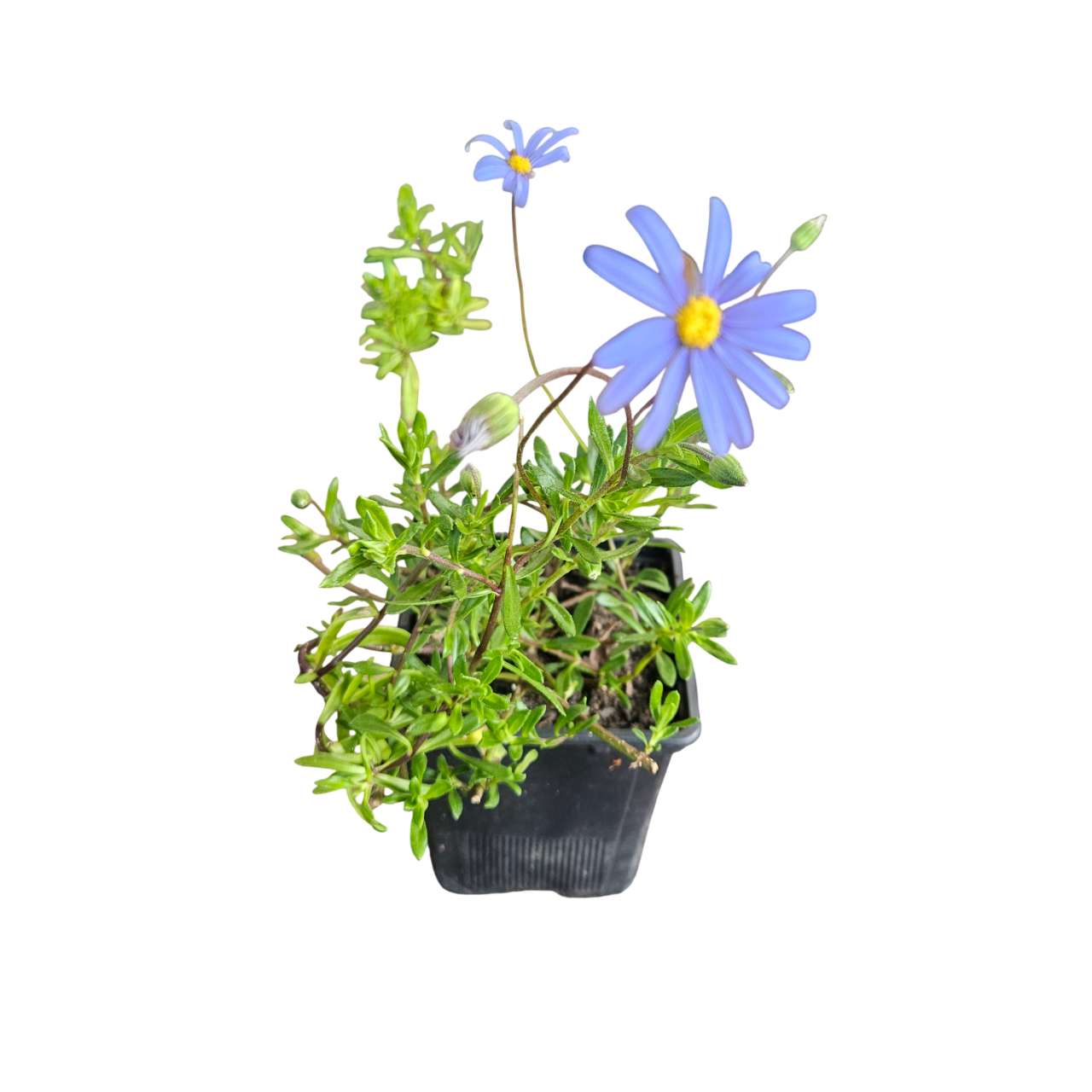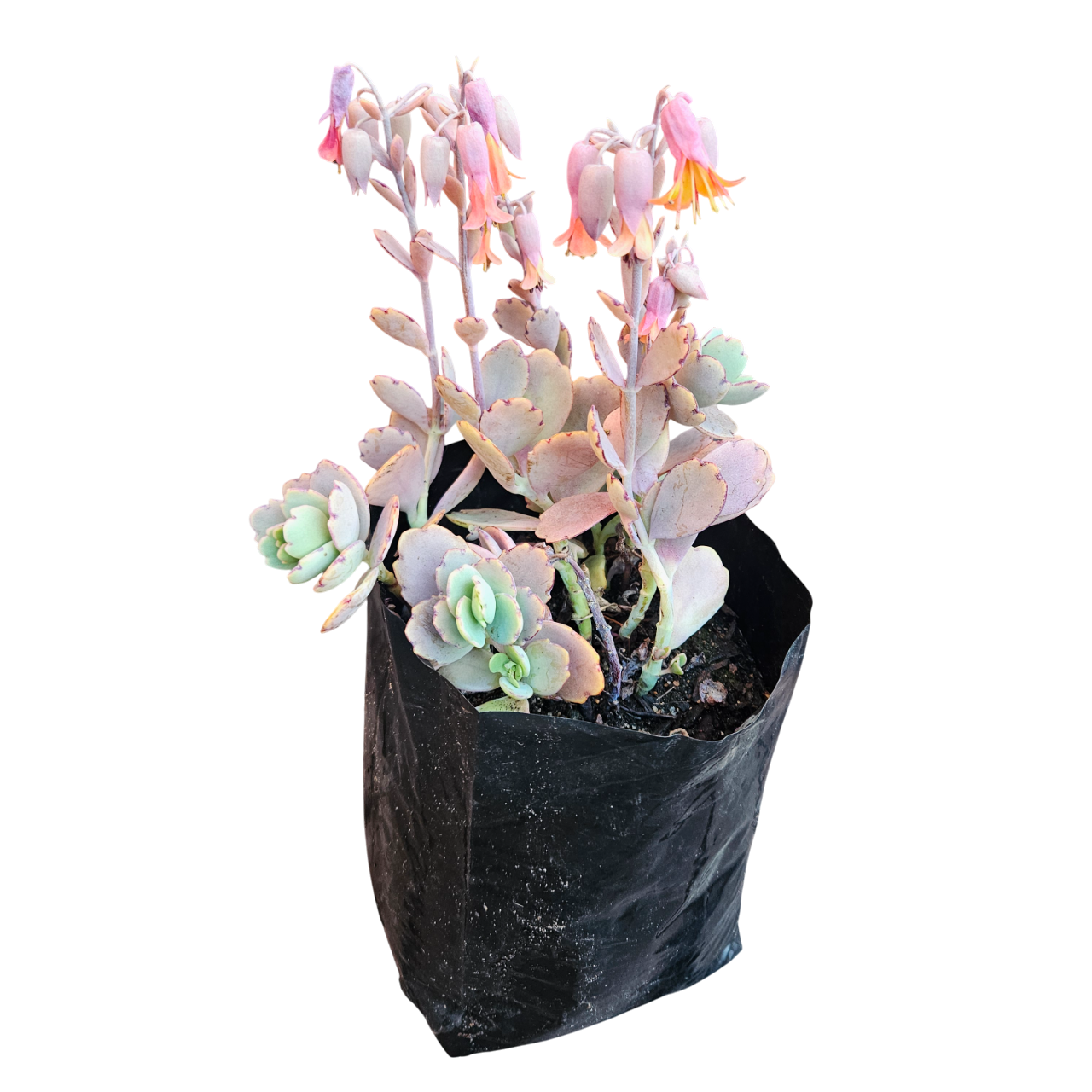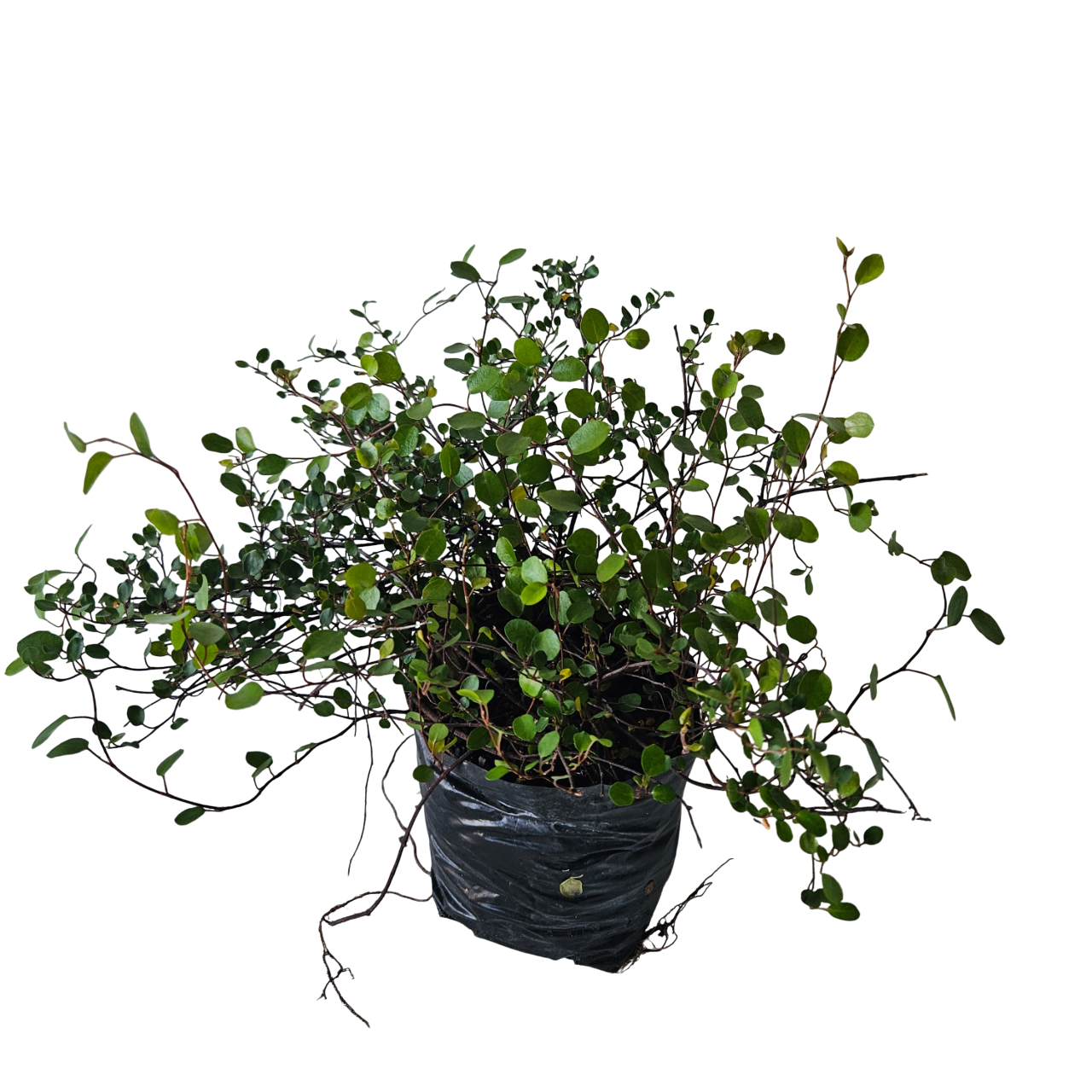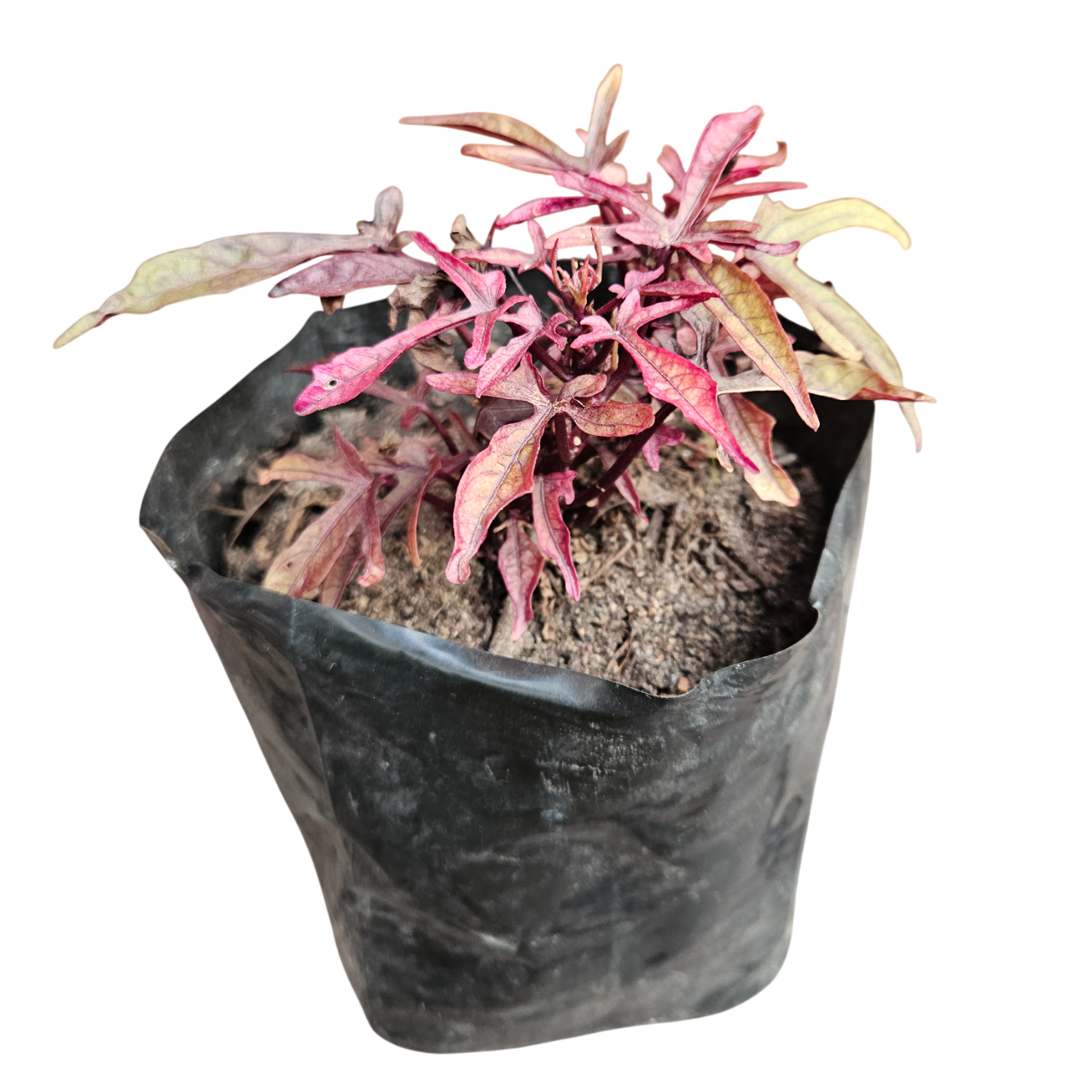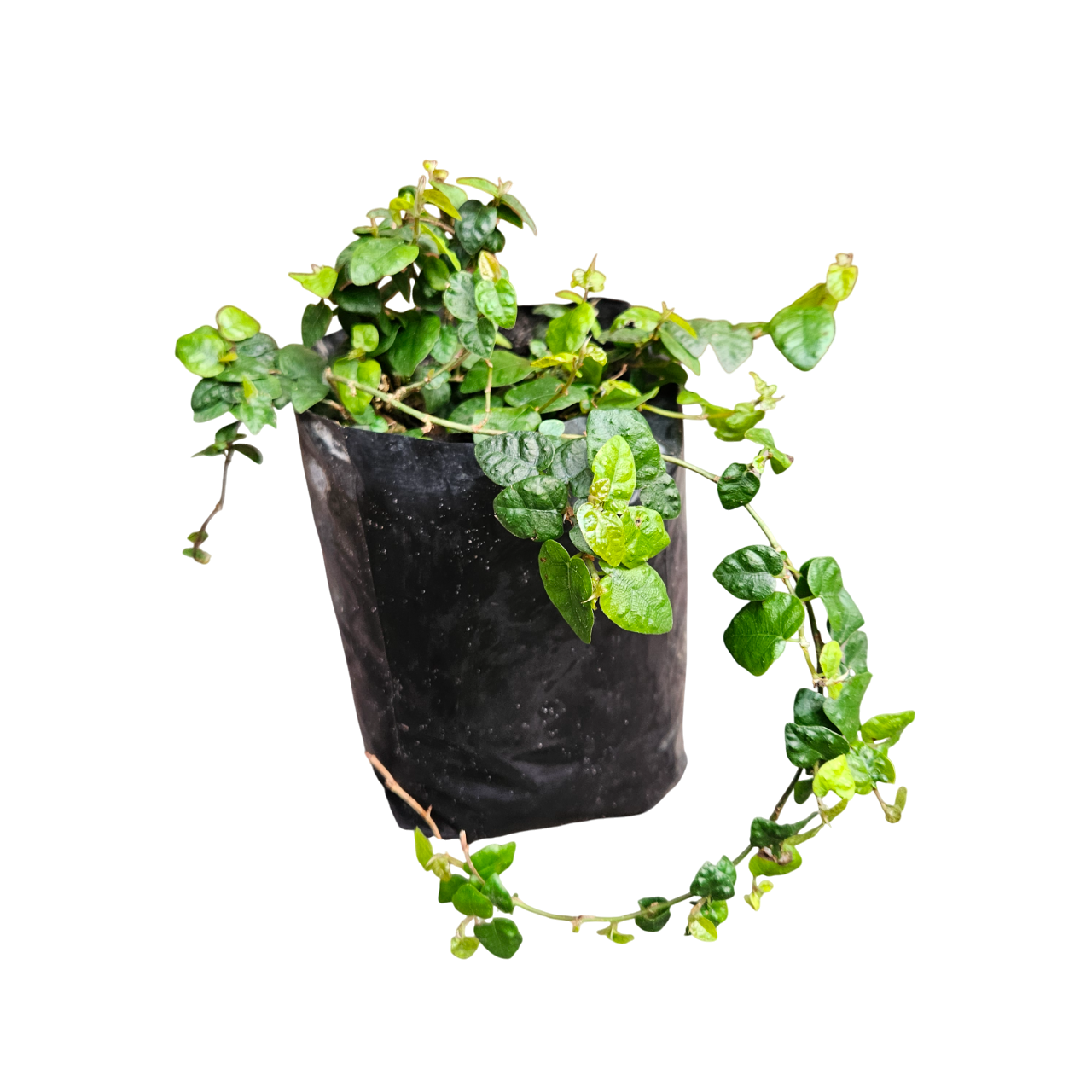
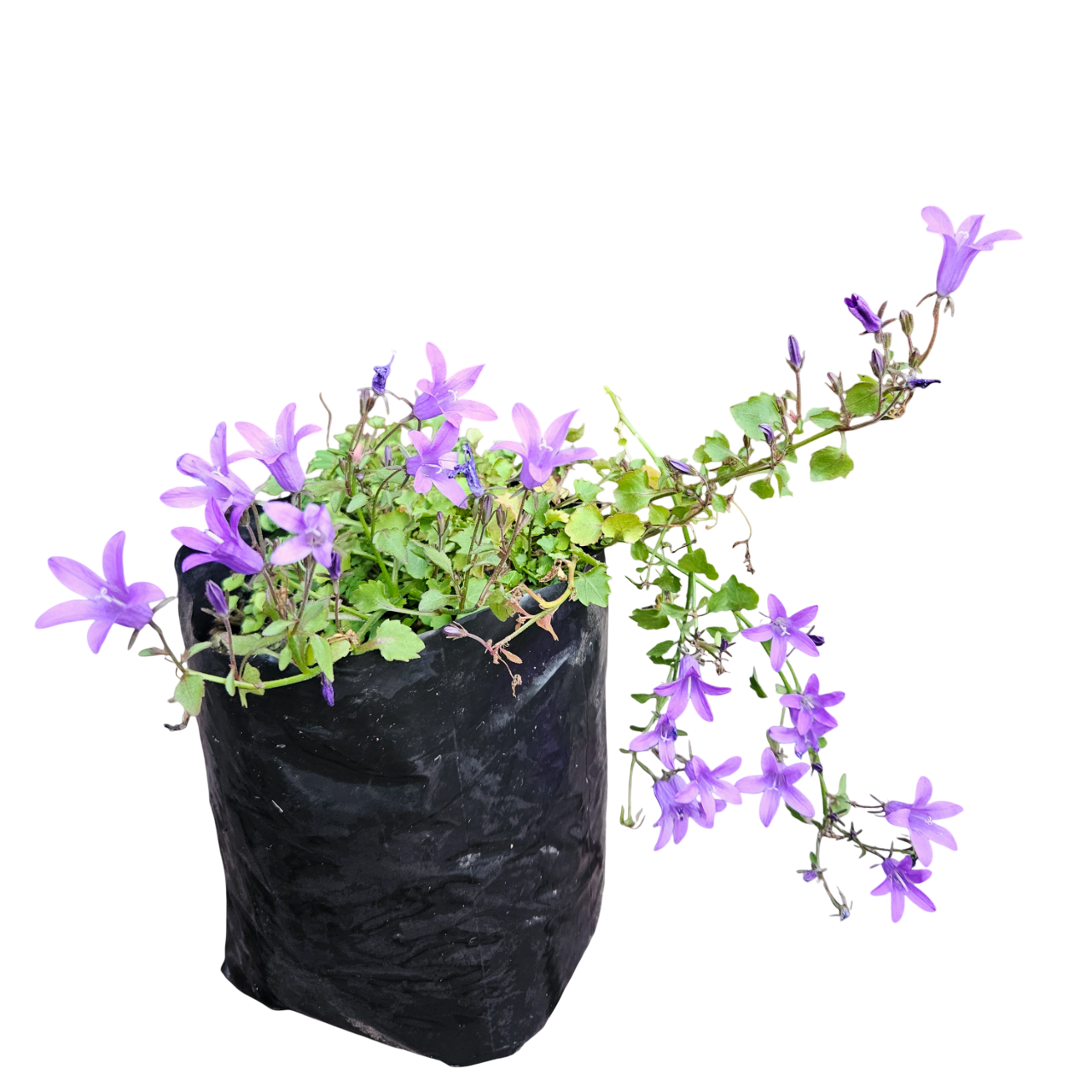

Watch those lilac-blue stars tumble over a rock wall, and you’ll understand why this plant is so beloved. Serbian Bellflower, also known as Trailing Bellflower, is a vigorous, semi-evergreen perennial that forms a low, mat-like carpet of small, rounded to heart-shaped, bright green leaves. From mid-spring through early autumn, loose clusters of lilac-blue flowers appear, each with five pointed petals that flare open like a star, creating a soft, billowy effect that dances above the foliage. Those delicate blooms attract bees, butterflies, and even hummingbirds.
Native to the Dinaric Alps of the former Yugoslavia (including Serbia), this tough plant has proven wonderfully suited to the Western Cape’s temperate climate. It thrives in full sun to partial shade—in hotter inland gardens, morning sun with afternoon protection prevents stress. It’s unfussy about soil, growing well in most well-drained types, including sandy, loamy, and even poor or rocky soils. Once established, it’s moderately drought-tolerant and looks best with regular moisture. It handles coastal conditions well and is exceptionally cold-hardy, tolerating severe frost. Reaching 10–25cm tall and spreading 60–90cm wide or more, it’s perfect for cascading over retaining walls, tumbling through rockeries, edging pathways, or as charming groundcover.
Key Features:
- Masses of delicate, star-shaped, lilac-blue flowers from spring through early autumn
- Vigorous, prostrate stems perfect for softening rock walls, spilling from baskets, or groundcover
- Nectar-rich blooms attract bees, butterflies, and hummingbirds
- Tolerates drought, poor soils, coastal conditions, and severe frost once established
Gardening Note: Plant in full sun to partial shade in well-drained soil—afternoon shade helps in hotter inland areas. Water regularly until established; mature plants are moderately drought-tolerant but appreciate occasional watering during dry spells. Deadhead spent flowers and trim back after the main flowering flush to encourage continuous blooming. Spreads readily but is easily controlled by trimming. Divide clumps in spring or autumn every few years to maintain vigour. May occasionally be susceptible to slugs and snails in damp conditions.