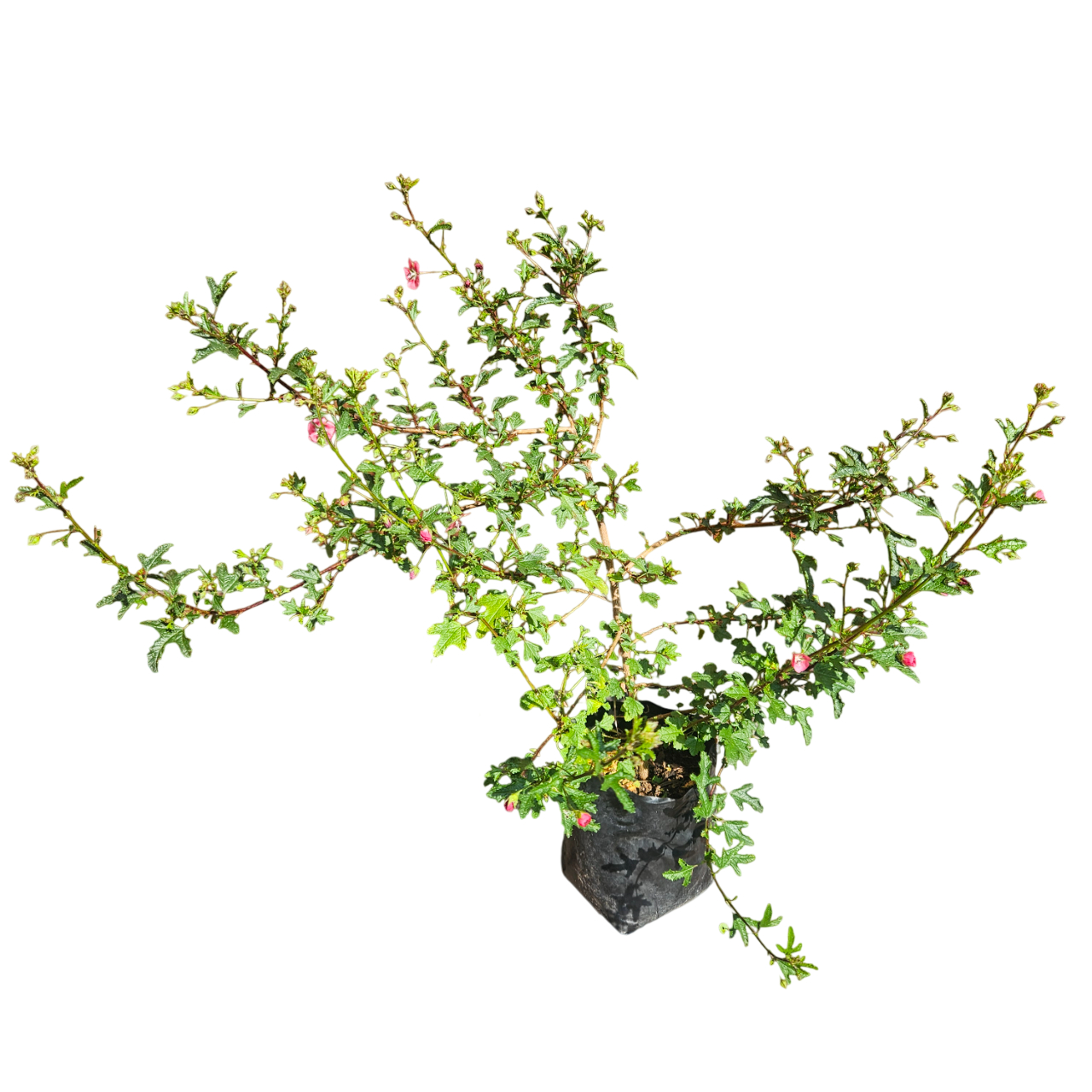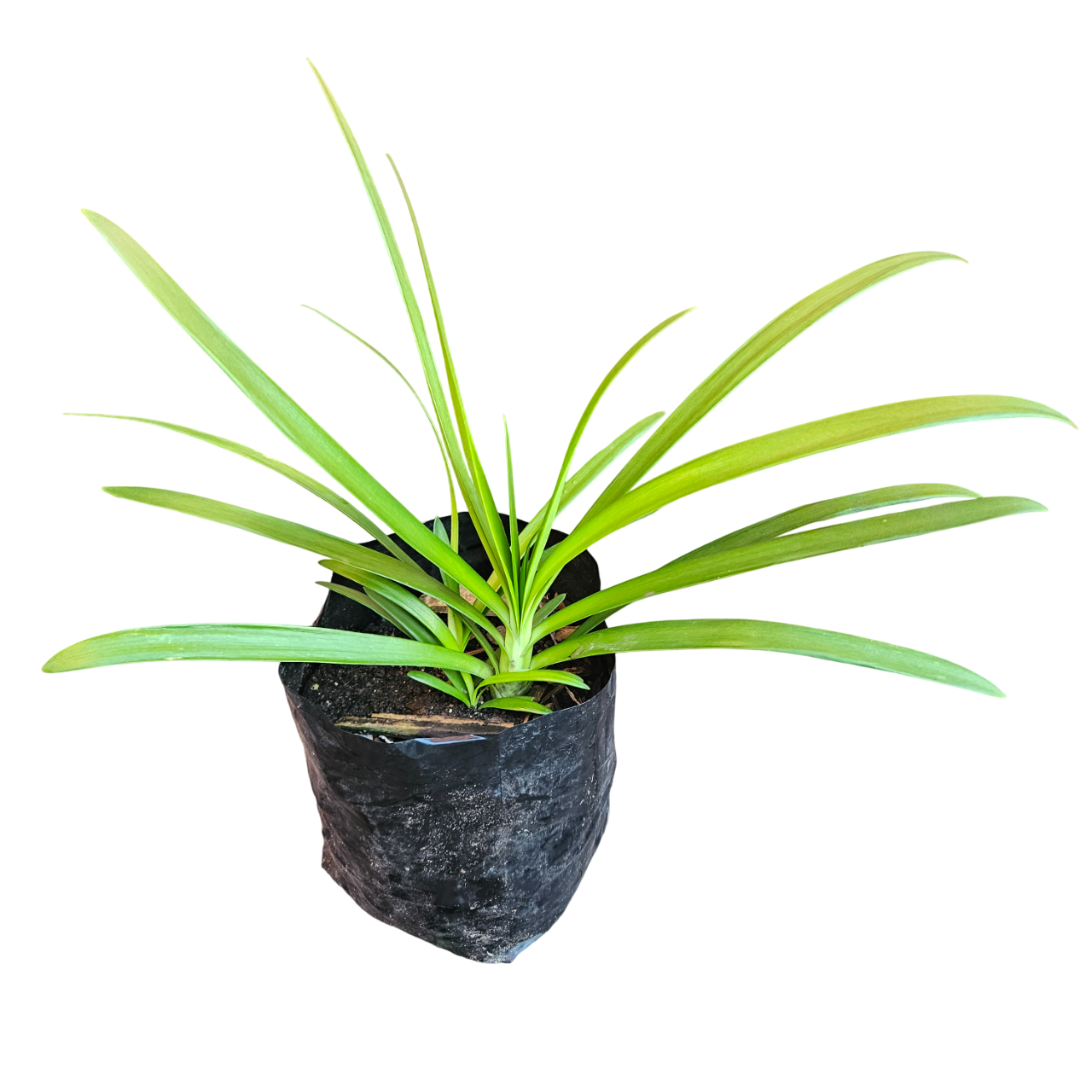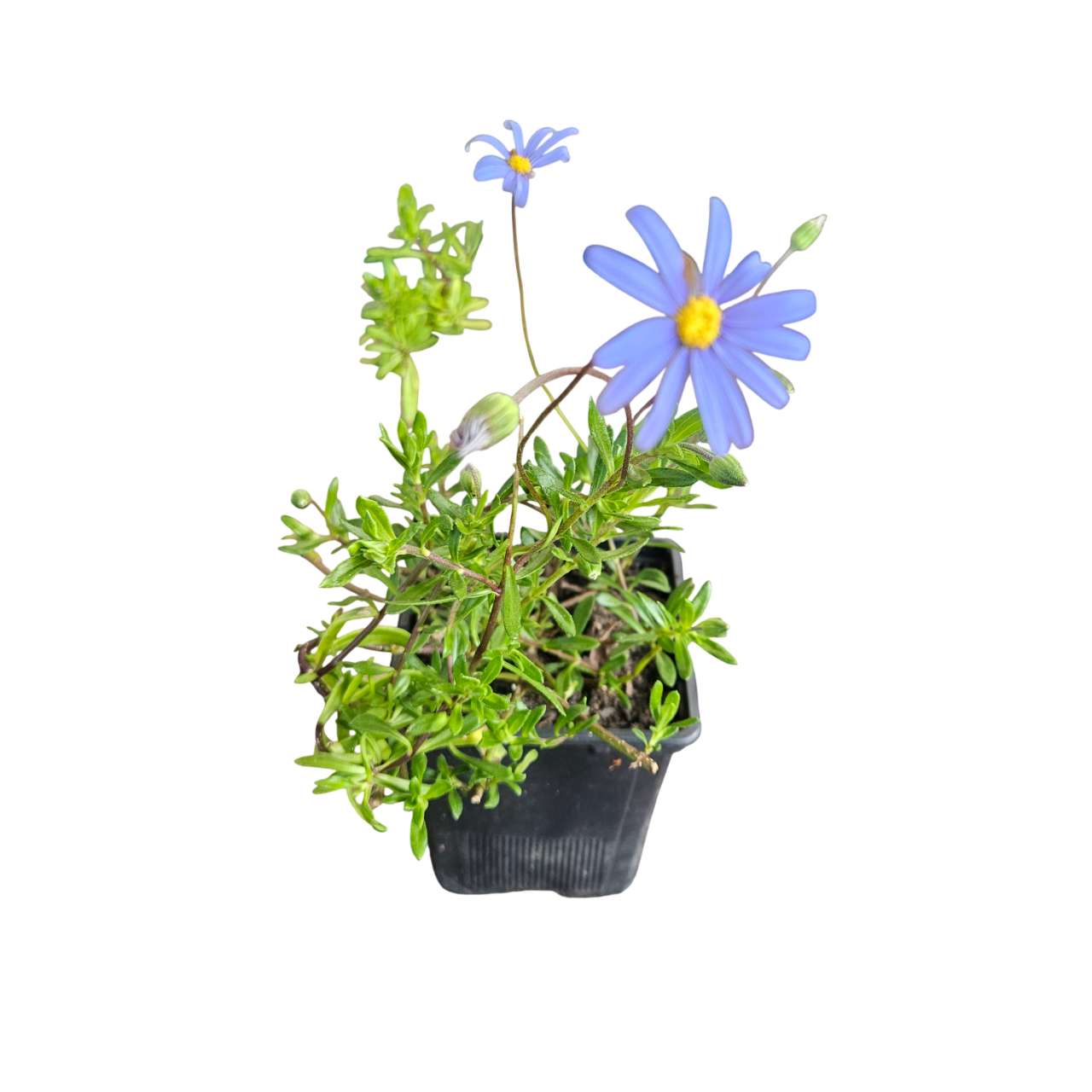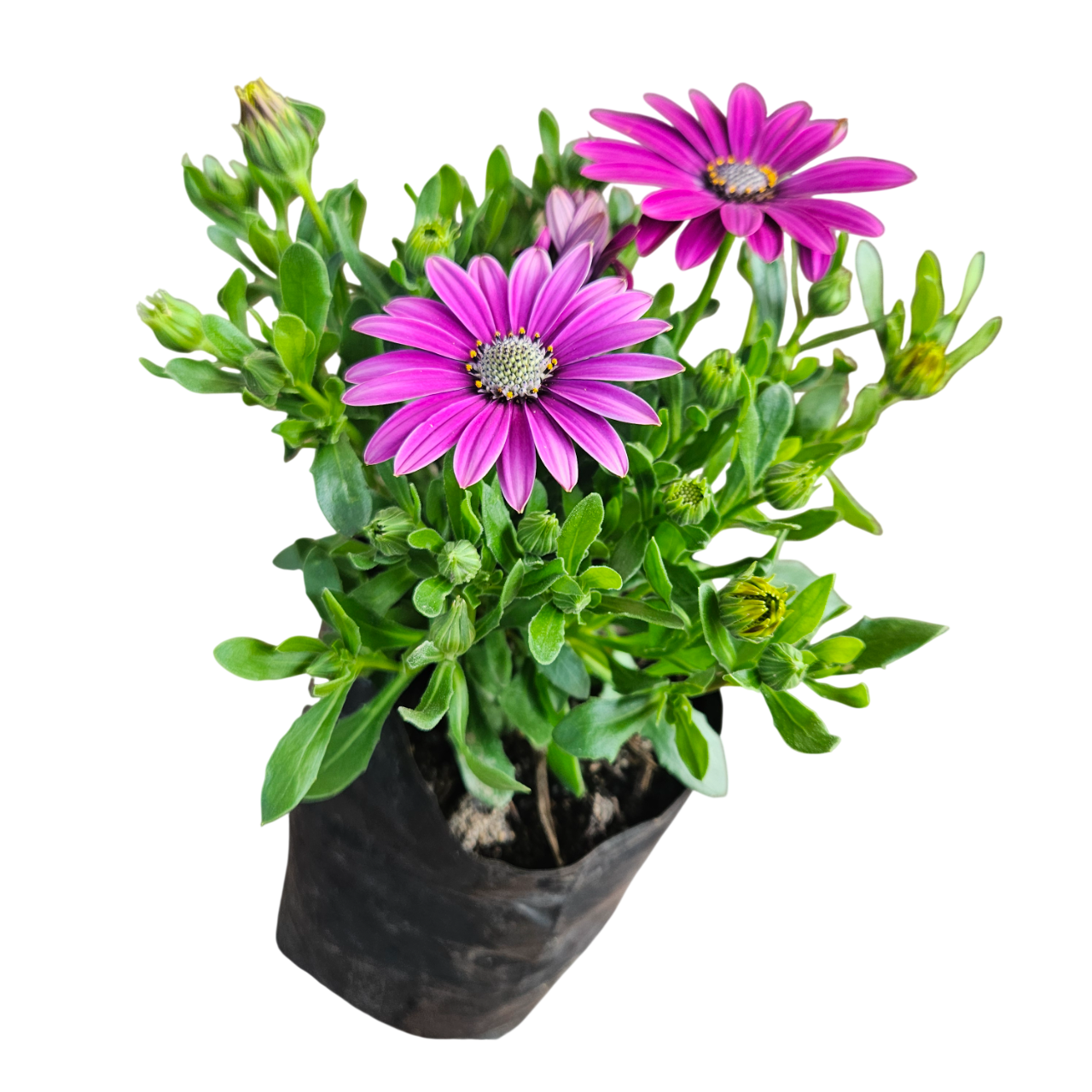
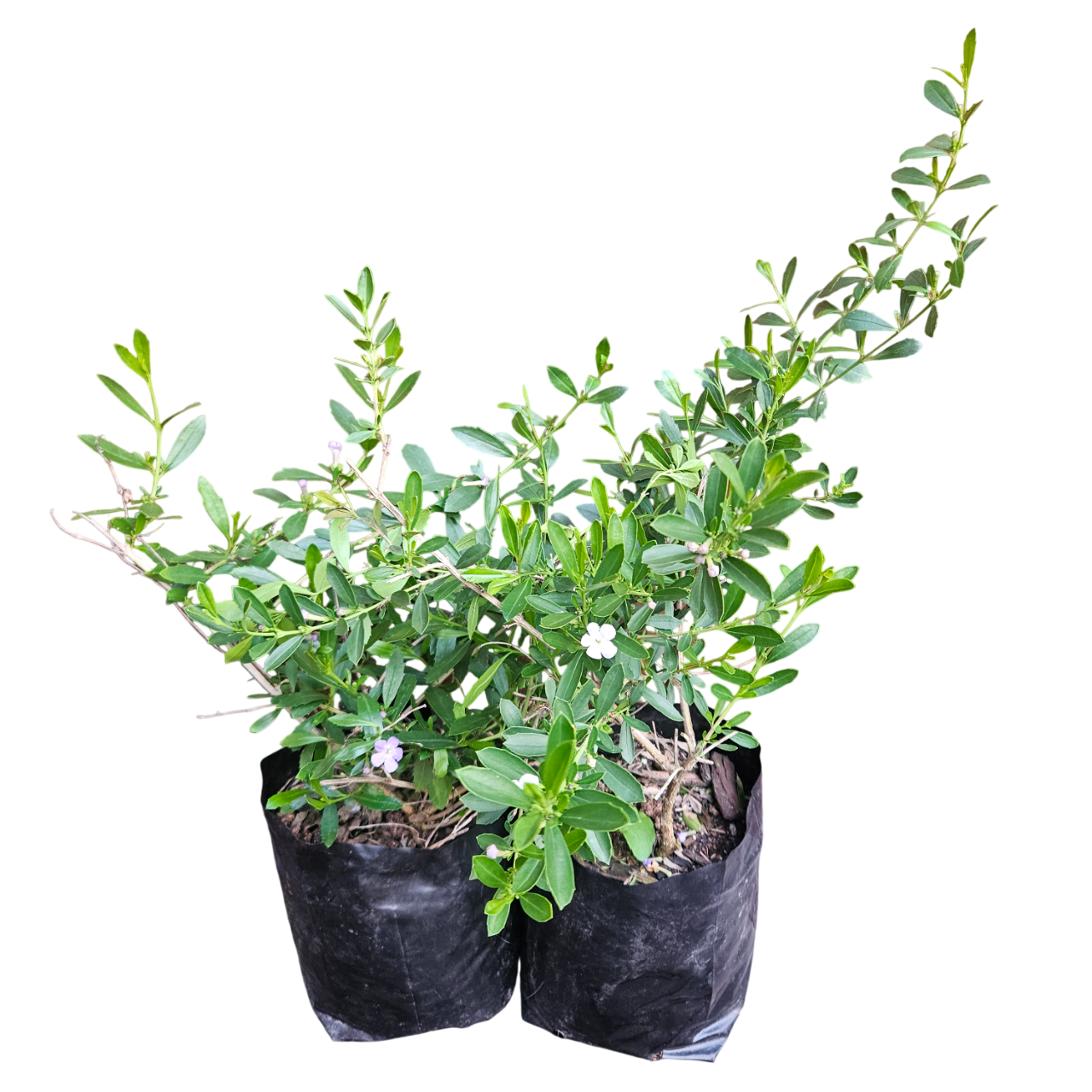

If you want a shrub that brings both delicate beauty and a buzz of pollinator activity, Honeybell Bush is a fantastic choice. Also known as Blue Honey-bells or Waterberg Bell-bush, this slender, upright evergreen shrub has slender, loosely spreading branches clothed in small, delicate, bright green leaves with lightly serrated margins. From late winter through spring (and often with sporadic blooms year-round), it produces an abundance of dainty, tubular flowers in shades of light mauve to bright blue. A white form is also available. Those charming blooms are a magnet for bees and butterflies.
Native to Limpopo and Zimbabwe, Honeybell Bush has proven wonderfully adaptable across South Africa. In the Western Cape, it thrives in full sun to light shade. It adapts to most well-drained soils and, once established, is remarkably drought-tolerant and wind-resistant. A key consideration: as a summer-rainfall species, it needs regular summer watering in our winter-rainfall climate, plus excellent drainage to cope with wet winters. It’s surprisingly cold-hardy and withstands frost once mature, though young plants need protection in their first winter. Reaching 1.5–2.5m tall with a spread of about 1m, it’s perfect for hedges, screening, mixed borders, or large containers.
Key Features:
- Clouds of light mauve to bright blue tubular flowers from late winter to spring
- A proud South African native who’s water-wise once established
- Nectar-rich flowers attract bees, butterflies, and other beneficial insects
- Responds beautifully to clipping—ideal for neat, formal hedges
Gardening Note: Plant in well-drained soil enriched with compost, in full sun to semi-shade for the best flowering. Water regularly until established; mature plants appreciate consistent moisture, especially in summer. Prune lightly after the main flowering season to maintain a tidy shape and encourage bushy growth. Protect young plants from severe frost during their first winter in colder inland areas.