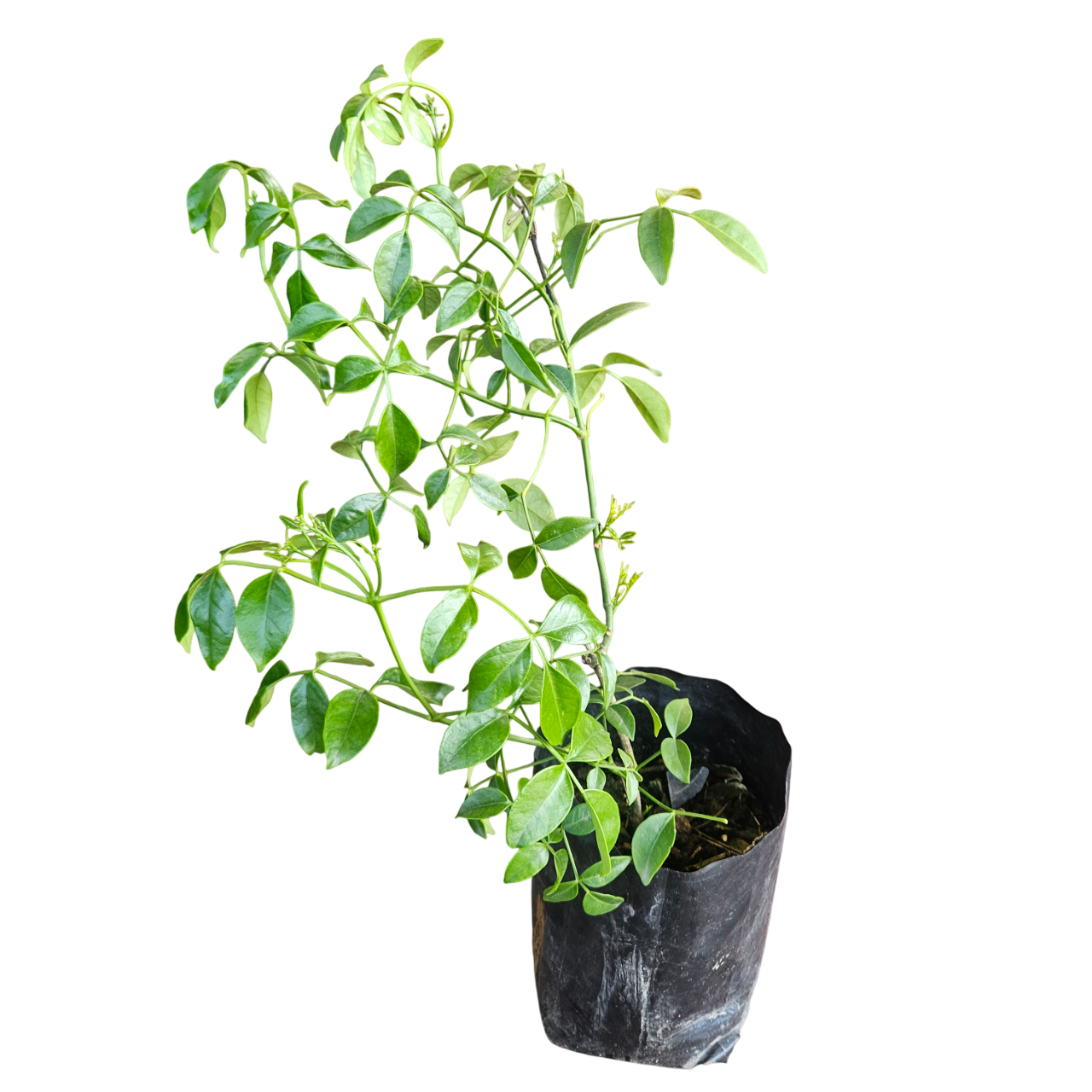
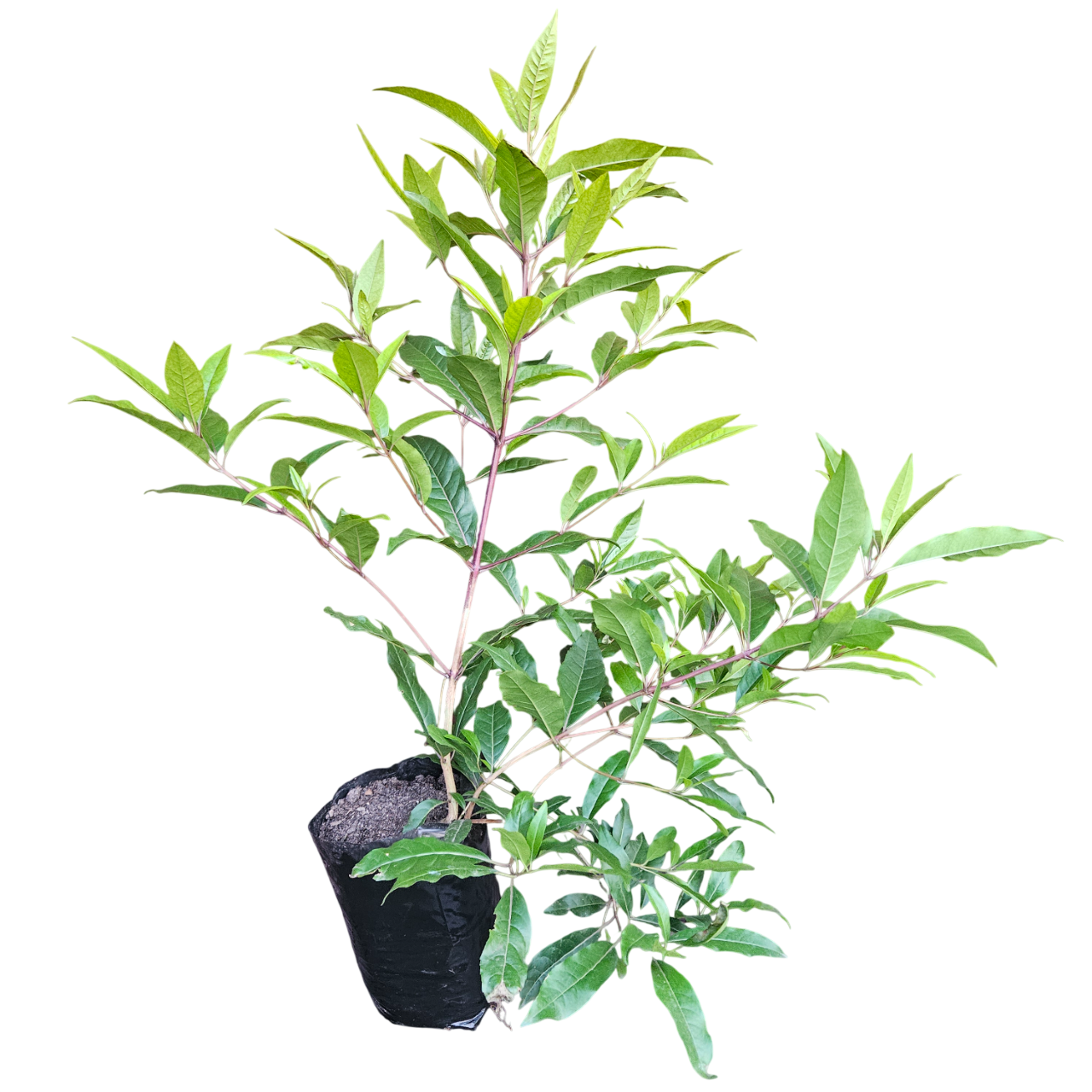
Imagine a tree that bursts into fragrant, creamy-white bloom right in the middle of winter. That’s Forest Elder for you. Also known as Forest Nuxia or Bosvlier, this small to medium-sized evergreen tree has a lovely, dense, rounded crown of glossy, light green leaves. Those leaves are often arranged in distinctive whorls of three, with a prominent, sometimes purplish-red midrib on immature growth. From autumn through winter (May to September), it produces an extraordinary display of sweetly scented, small, creamy-white flowers borne in large, loose sprays up to 30cm long—like a gentle, fragrant foam covering the tree.
Native to South Africa (from the Cape midlands and Eastern Cape through KwaZulu-Natal and beyond), Forest Elder is wonderfully suited to many local gardens. It thrives in full sun to partial shade and prefers fertile, well-composted, well-drained soil. In the Western Cape, it’s best suited to warm, frost-free coastal regions, as it’s sensitive to severe frost, especially when young. It has a non-aggressive root system, making it safe to plant near buildings and paving. Reaching 5–10m tall with a spread of 2–5m, it’s perfect as a striking focal point, background specimen, or informal screen.
Key Features:
- Large, branched heads of sweetly scented creamy-white flowers from autumn through winter
- Glossy, light green leaves in whorls of three with purple-red midribs on new growth
- A proud South African native that’s moderately drought-tolerant once established
- Non-invasive roots—safe to plant near buildings and paving
Gardening Note: Plant in deep, well-drained, composted soil in full sun to semi-shade. Water regularly until established; mature trees appreciate occasional deep watering during dry summer spells. Protect from severe frost, especially when young, by planting in a sheltered, north- or west-facing spot in colder inland areas. Prune lower branches to encourage a good tree shape if desired. It’s a larval host plant for at least three butterfly species.