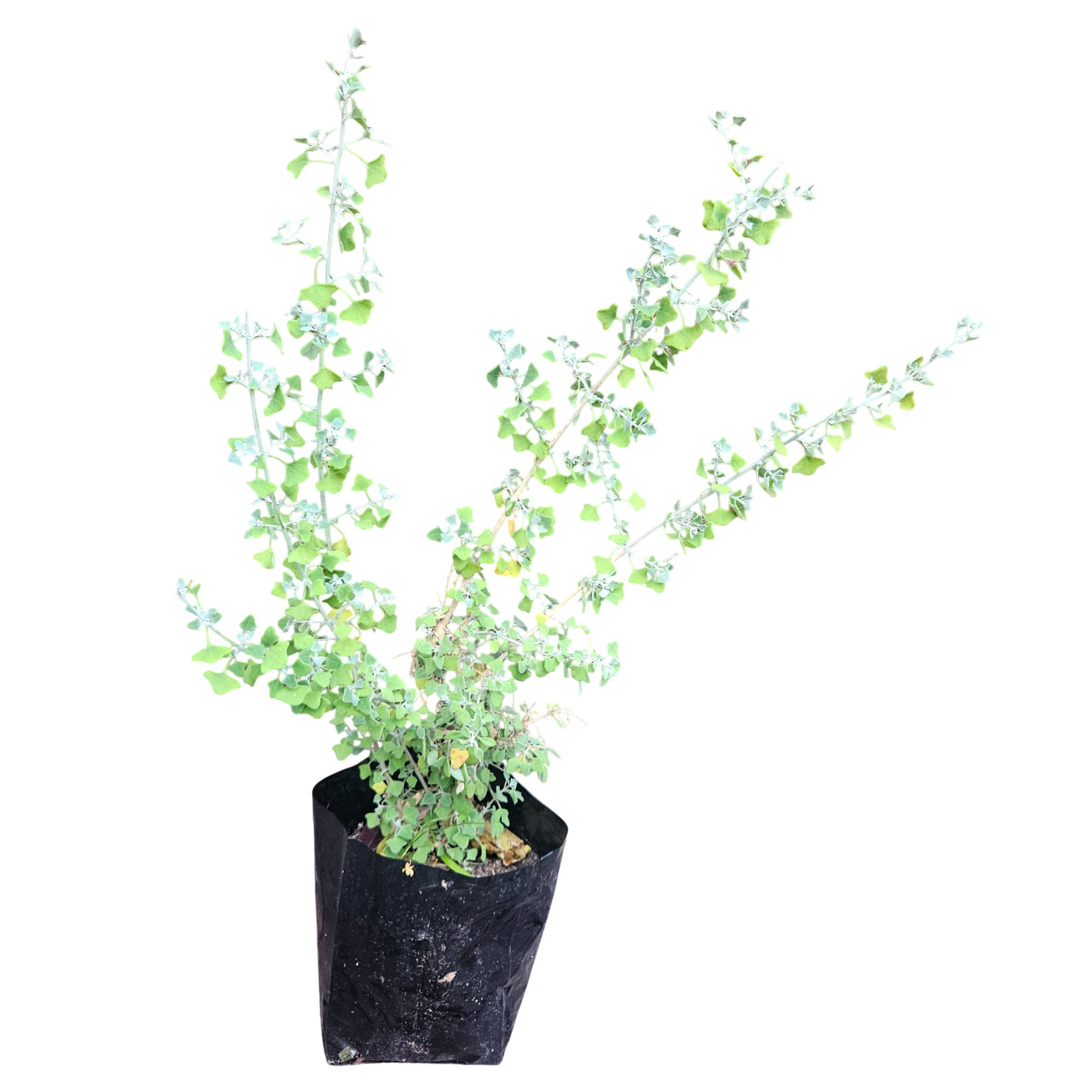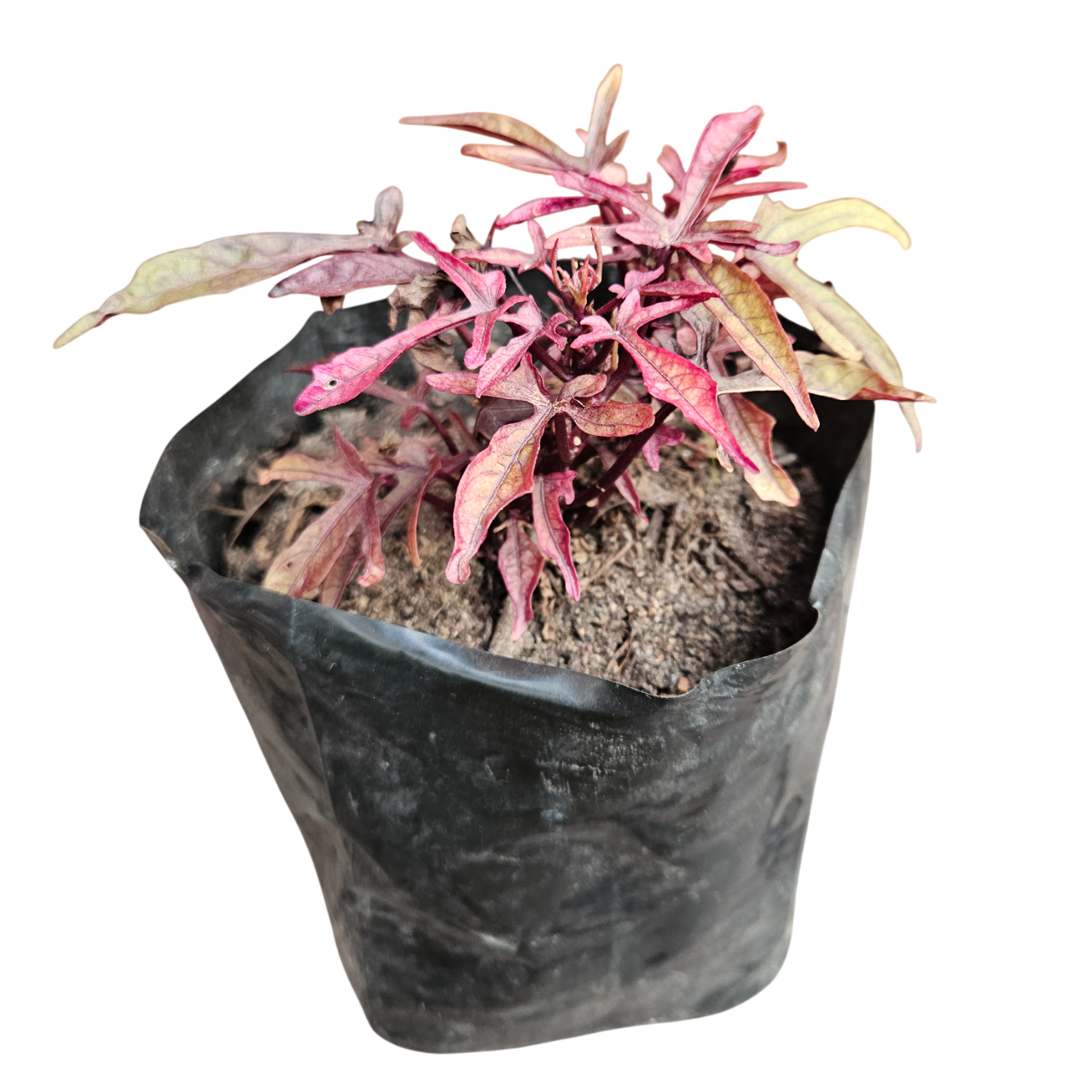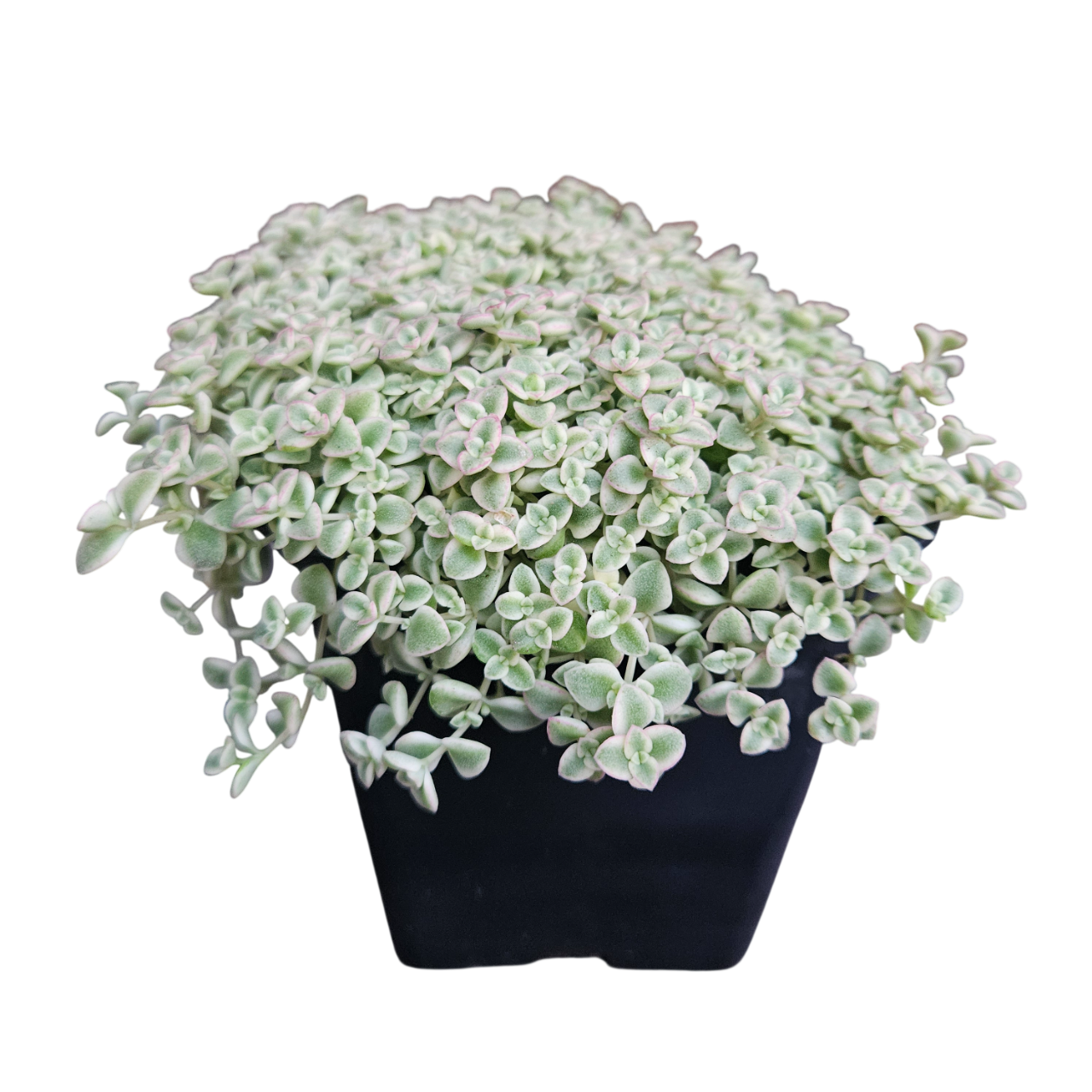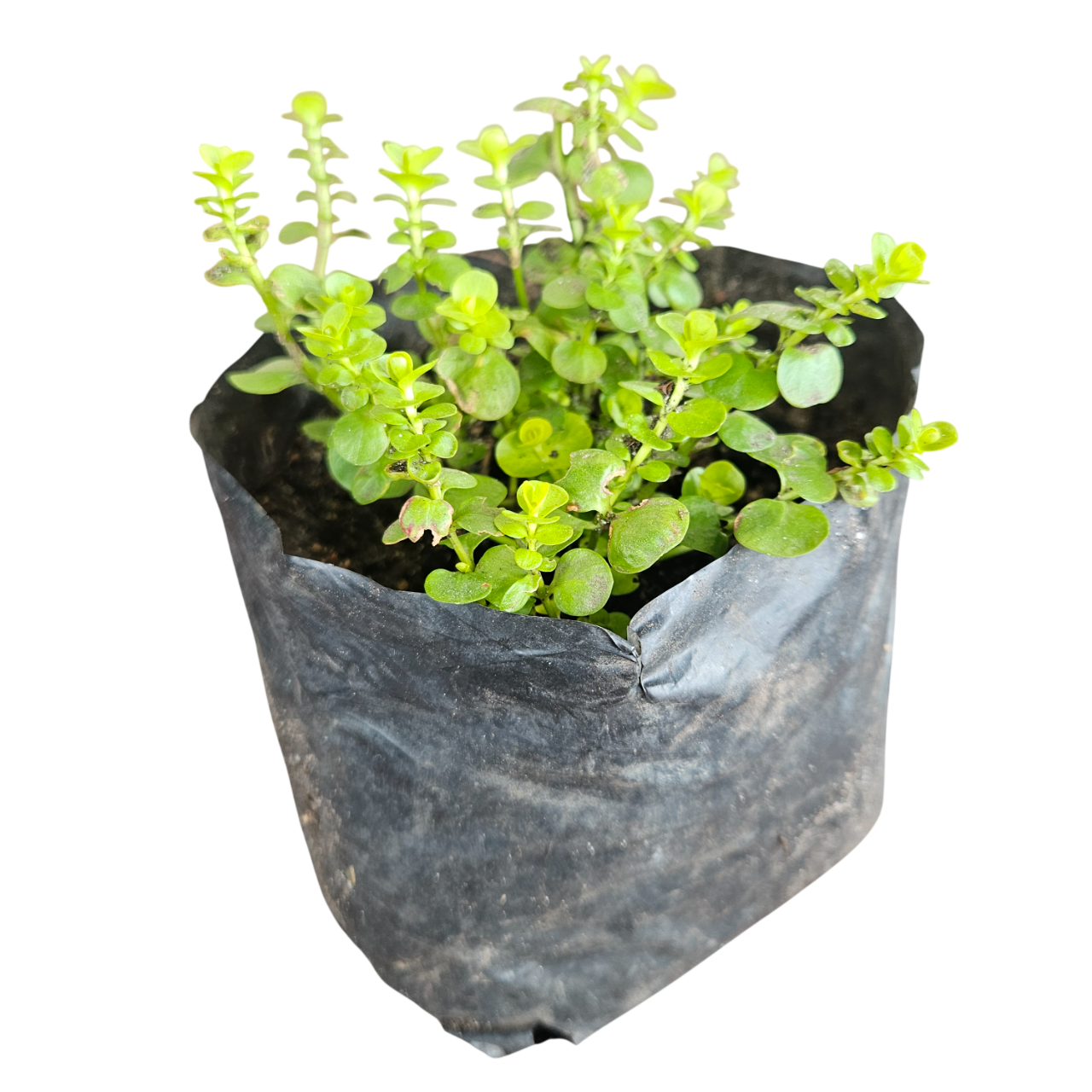
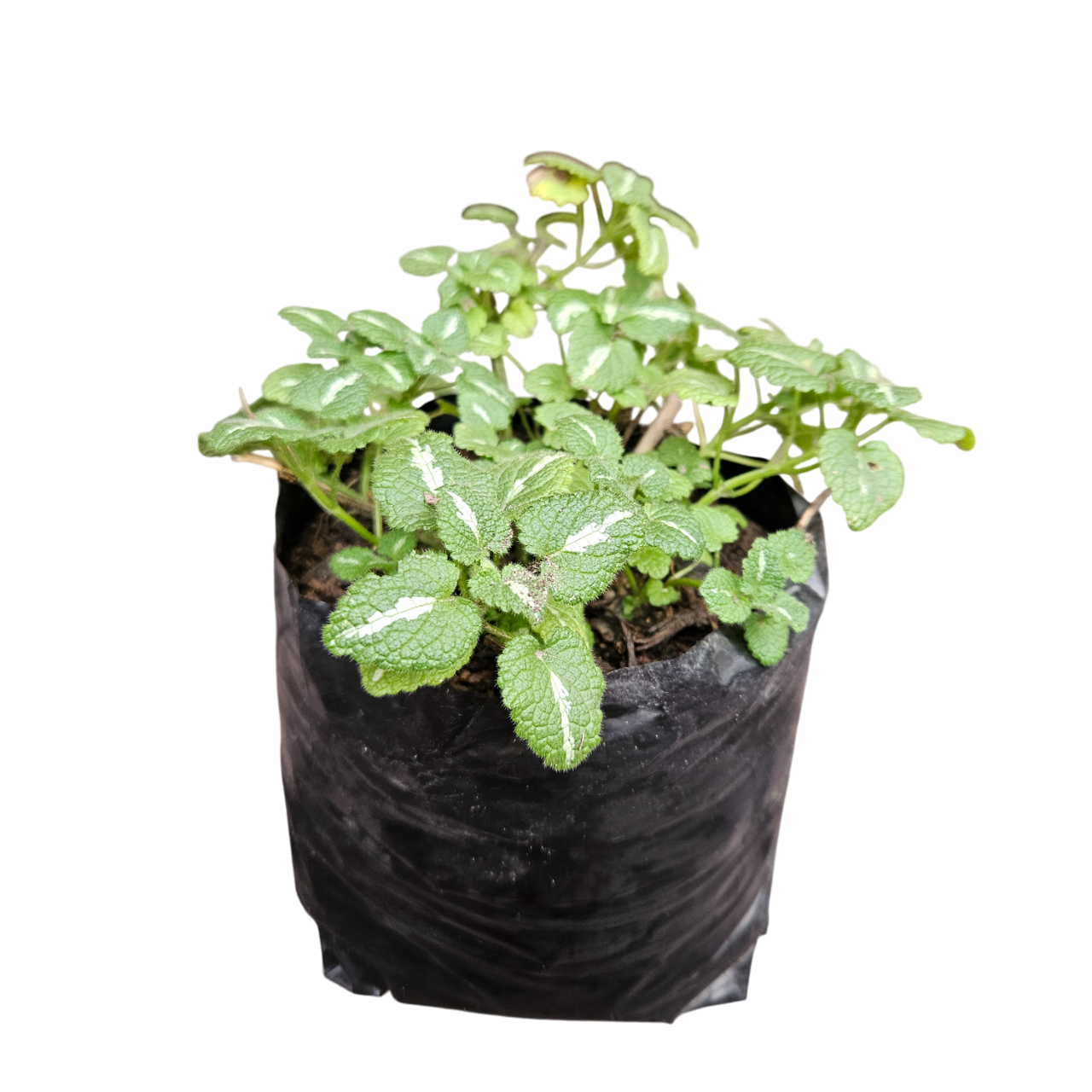

Dark corners of the garden don’t have to stay gloomy. Spotted Dead-Nettle, also known as Creeping Lamium, is a vigorous, mat-forming perennial with oval to heart-shaped leaves beautifully marked by a central silver band or silvery-white margins, creating a luminous effect that brightens even the shadiest spots. From mid-spring through summer (often with a repeat flush in early autumn), short spikes of small, hooded flowers appear in white, soft pink, rose, or lavender-purple, held just above the foliage and attracting bees and butterflies.
Native to Europe and western Asia, Spotted Dead-Nettle has proven wonderfully suited to the Western Cape’s temperate climate. It thrives in part shade to full shade—an invaluable solution for difficult, low-light areas under trees or on the south side of buildings. It’s unfussy about soil, growing well in most well-drained types, including sandy, loamy, clay, and even poor, rocky soils. Once established, it’s surprisingly drought-tolerant, though it looks best with regular moisture. It’s exceptionally cold-hardy, tolerating severe frost, and handles coastal conditions with ease. Reaching 10–25cm tall and spreading 45–90cm wide or more, it’s perfect for mass plantings as groundcover, underplanting trees, cascading from containers, or as a soft accent in shaded rockeries.
Key Features:
- Silver-splashed or silver-edged leaves provide a bright, luminous presence that illuminates shady spots
- Short spikes of hooded flowers in white, pink, rose, or lavender from mid-spring through summer
- Thrives in shade—invaluable for low-light areas under trees or on south-facing walls
- Nectar-rich flowers attract bees and butterflies; tolerates coastal conditions and severe frost
Gardening Note: Plant in part shade to full shade in well-drained soil. Tolerates some morning sun but needs protection from harsh afternoon rays. Water regularly until established; mature plants are moderately drought-tolerant but appreciate occasional watering during dry spells. Trim back after the main flowering flush to maintain a tidy appearance. Spreads readily by creeping stems that root at nodes but is generally easy to control. May be susceptible to crown rot in waterlogged conditions—ensure good drainage.